
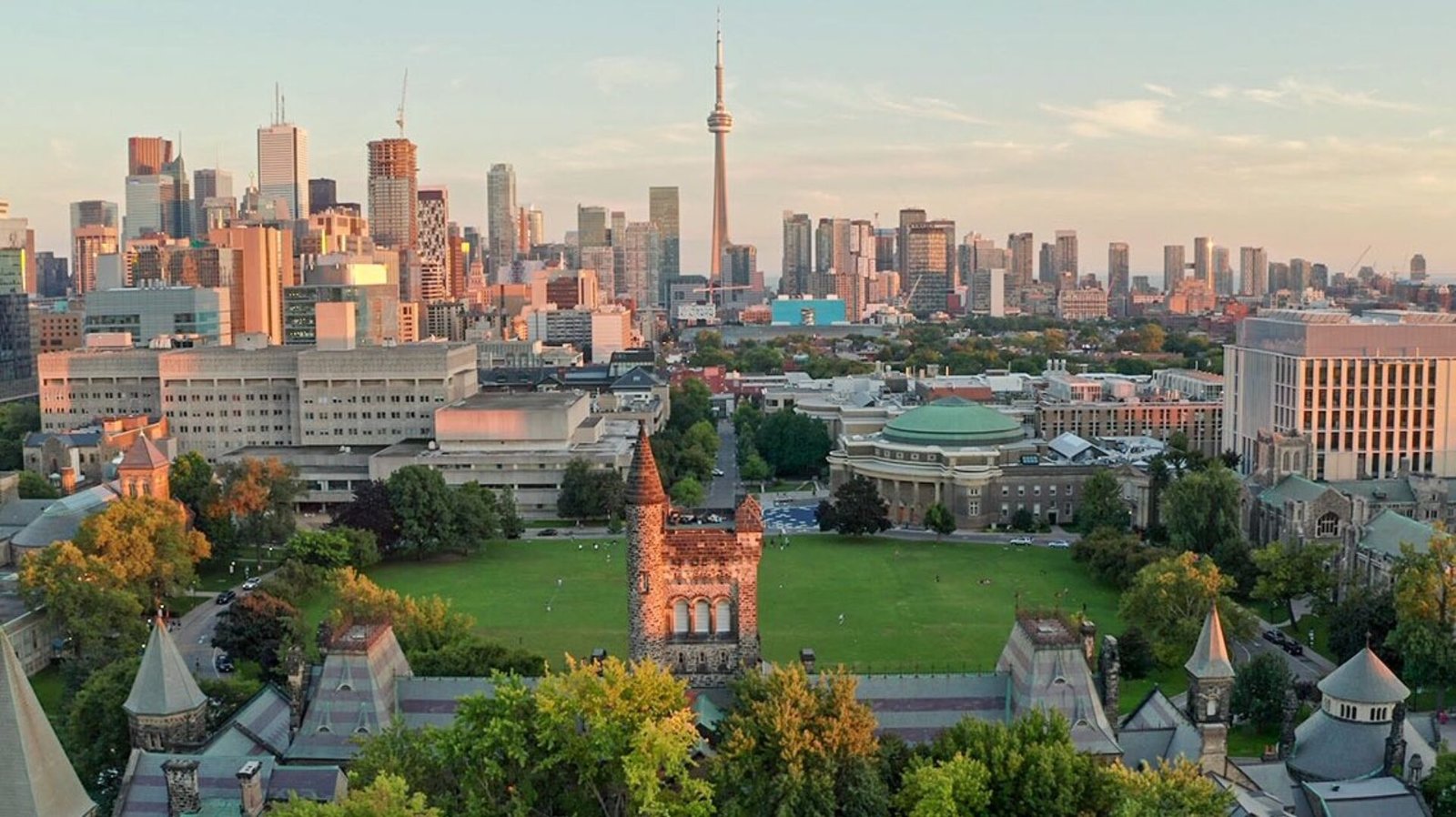

Find Public School in Canada

How to Find a Public School in Canada
Introduction
Canada’s public education system is widely regarded as one of the best in the world. With free access to quality schooling from kindergarten to Grade 12, it ensures that every child—regardless of background, immigration status, or income level—has the opportunity to succeed. For parents relocating within Canada or newcomers arriving from abroad, one of the most important tasks is to find the right public school for their child.
This guide provides an in-depth look at how to find a public school in Canada, including an overview of the education system, school types, admission procedures, and key factors to consider. Whether you're planning a move to Canada or simply changing neighborhoods, understanding how to navigate the public school system will help ensure the best educational outcome for your child.
Overview of the Canadian Education System: Find Public School in Canada
Structure
Education in Canada is administered at the provincial and territorial level, meaning each province or territory oversees its own curriculum, regulations, and policies. However, there are common elements shared across the country:
-
Kindergarten usually starts at age 4 or 5.
-
Elementary School spans Grades 1 through 6 or 8.
-
Secondary School (or high school) includes Grades 7 to 12 or 9 to 12.
-
Post-secondary education is available through colleges, universities, and technical institutes.
Language of Instruction
Most public schools in Canada offer education in:
-
English
-
French
-
French Immersion (for English-speaking students learning French)
-
Bilingual Programs
In provinces like Quebec and New Brunswick, French-language public education is widespread. Ontario, Alberta, and British Columbia also offer French-language schools for eligible families.
Types of Public Schools in Canada: Find Public School in Canada
All publicly funded schools in Canada are free for residents and citizens. Some provinces also allow international students to attend public schools for a fee.
1. Neighbourhood Schools
These are the most common type of public school, where students attend a school based on their residential address. School boards assign children to a designated catchment or boundary area.
2. Magnet or Specialized Schools
Some districts offer arts-focused, STEM-focused, or language-intensive schools. Admission to these schools may require an application, portfolio, or audition.
3. Alternative or Innovative Schools
Certain boards offer alternative programs with unique teaching philosophies, such as project-based learning or Montessori-style education, within the public system.
4. French-Language Schools
Available primarily to rights-holders under Section 23 of the Canadian Charter of Rights and Freedoms, French-language schools are designed for students whose first language is French or who have a parent educated in French in Canada.

5. Indigenous-Focused Schools
In regions with high Indigenous populations, public boards often provide schools that integrate Indigenous culture, language, and traditions into the curriculum.
Step-by-Step Guide to Finding a Public School
Step 1: Determine Your Location
School placement in Canada is usually based on your home address. Before you begin your search:
-
Identify your current or future residential address.
-
If relocating, research school districts in that area.
-
Consider proximity to the school, public transportation, and after-school care options.
Most cities divide their education administration into school boards or districts, and each board manages the schools within its jurisdiction.
Step 2: Identify the Local School Board or District: Find Public School in Canada
Each region is served by one or more public school boards. There may be separate boards for:
-
English-language public schools
-
French-language public schools
-
Catholic schools (in some provinces like Ontario and Alberta)
-
Francophone Catholic schools
Once you've identified the school board, you can:
-
View school maps or boundary charts.
-
Search by address to find the designated school.
For example, a child living in downtown Toronto would likely fall under the Toronto District School Board, while a French-speaking child might be eligible for the Conseil scolaire Viamonde.
Step 3: Explore Available Schools
Now that you know your board and location, explore individual schools. Look for information such as:
-
Grade levels offered (some are K–7, others are K–12)
-
Language of instruction (English, French, immersion)
-
Specialized programs (International Baccalaureate, STEM, arts)
-
School rankings or reputation (if available)
-
Proximity to your home or work
Visit the schools (in-person or virtually) to get a sense of their culture, community, and facilities.
Admission Requirements and Process
Age Eligibility
Children typically start kindergarten at age 4 or 5, depending on the province:
-
Junior Kindergarten (JK) at age 4 (offered in some provinces like Ontario)
-
Kindergarten (K) at age 5
-
Grade 1 starts at age 6
High school continues until Grade 12 (or Grade 11 in Quebec), after which students can apply to post-secondary institutions.
Documentation: Find Public School in Canada
To register your child at a public school in Canada, you typically need:
-
Proof of address (utility bill, lease, property tax)
-
Proof of age (birth certificate or passport)
-
Health card or vaccination records
-
Immigration documents (if applicable)
-
Custodianship documents (for international students under 18)
Registration Period
Registration usually begins in January or February for the following September. However, families can enroll throughout the year, especially when moving mid-year.
Contact your local school board to confirm deadlines and procedures.

Key Considerations When Choosing a School
Academic Reputation
Some schools are known for high academic performance, measured by standardized testing and graduation rates. While rankings are not always the best indicator, they can provide insight into a school’s overall success.
Programs and Extracurriculars
Look for schools offering:
-
Advanced Placement (AP) or International Baccalaureate (IB)
-
French Immersion
-
ESL or ELL support
-
Music, drama, athletics, and clubs
A well-rounded school with strong extracurricular programs can enhance student development.
Class Size and Student Support: Find Public School in Canada
Smaller class sizes often allow for more personalized instruction. Also consider the availability of:
-
Special education services
-
Mental health counselors
-
Academic advisors
-
Tutoring or homework clubs
School Culture and Diversity
Visit the school or read about its culture. Consider:
-
Diversity and inclusivity
-
Anti-bullying policies
-
Parent engagement
-
Community involvement
Commute and Transportation: Find Public School in Canada
Evaluate the daily commute. Some boards offer school bus service if the school is far from your home, while others expect families to arrange transportation.
Special Cases
New Immigrants and Refugees
Canada welcomes students regardless of immigration status. Newcomer students may receive:
-
ESL/ELL support
-
Orientation programs
-
Settlement workers
-
Free school supplies or meal assistance
In most provinces, children can attend school while their immigration applications are being processed.
Indigenous Students: Find Public School in Canada
Public schools are increasingly incorporating Indigenous history, language, and culture. Many offer land-based learning, cultural workshops, and support staff from Indigenous backgrounds.
In some regions, Indigenous communities operate their own First Nations schools in partnership with public boards.
International Students
Many public schools across Canada accept international students for a fee. These students often receive:
-
Homestay accommodations
-
English language support
-
Cultural integration programs
Requirements may include a study permit, tuition payment, and custodianship for minors.
Costs and Fees
Public schools in Canada are free for Canadian citizens and permanent residents, but some optional costs may include:
-
Field trips
-
School supplies
-
Uniforms (if applicable)
-
Extracurricular participation fees
-
Graduation ceremony fees
Low-income families may be eligible for subsidies or fee waivers. No child is denied access to education due to financial hardship.
Education Quality Across Provinces: Find Public School in Canada
Each province has its own ministry of education and assessment standards. Here is a brief overview:
Ontario
-
Largest school system in Canada
-
Offers both English and French, public and Catholic options
-
Full-day junior kindergarten
-
Strong support for special education
British Columbia
-
Focus on personalized learning and indigenous education
-
Offers French Immersion, alternative programs
-
Emphasis on outdoor education
Alberta
-
Offers public, Catholic, Francophone, and charter schools
-
Strong academic performance in math and science
Quebec: Find Public School in Canada
-
Separate French and English systems
-
High school ends in Grade 11, followed by CEGEP
-
Access to French-language education protected by law
Manitoba, Saskatchewan, Atlantic Provinces, and Territories
-
Smaller systems, often more personalized
-
High emphasis on inclusion and rural accessibility
-
Strong community-school ties

Transitioning Between Schools or Provinces
When moving between schools or provinces:
-
Transfer student records and report cards
-
Understand curriculum differences (e.g., credit requirements)
-
Speak with guidance counselors to ensure a smooth transition
Some students may need additional assessments or bridging programs to align with the new school’s standards.
Supporting Your Child's Success: Find Public School in Canada
Parental involvement is key to academic success. Stay connected by:
-
Attending parent-teacher interviews
-
Volunteering for school events
-
Communicating regularly with teachers
-
Joining the Parent Advisory Council (PAC)
Encourage your child to participate in extracurriculars and seek help when needed. Canadian schools foster open communication and welcome parent engagement.
Conclusion
Finding a public school in Canada is a critical step in your child’s educational journey. With free, high-quality education available across the country, parents can choose from a wide range of schools that match their child’s needs, interests, and learning styles. By understanding how school boards operate, what programs are offered, and how to navigate registration, you can make informed decisions that lead to academic success and personal growth.
Whether you're settling in a major city like Toronto, Vancouver, or Calgary—or relocating to a rural area or smaller province—the public education system in Canada is built to support every student. By choosing the right school and staying involved in your child’s education, you lay the foundation for a bright and promising future.
In case, if you need help to Find Public School, get admission, assign Homestay and Custodianship in Canada, please fill in application below or contact us directly.