
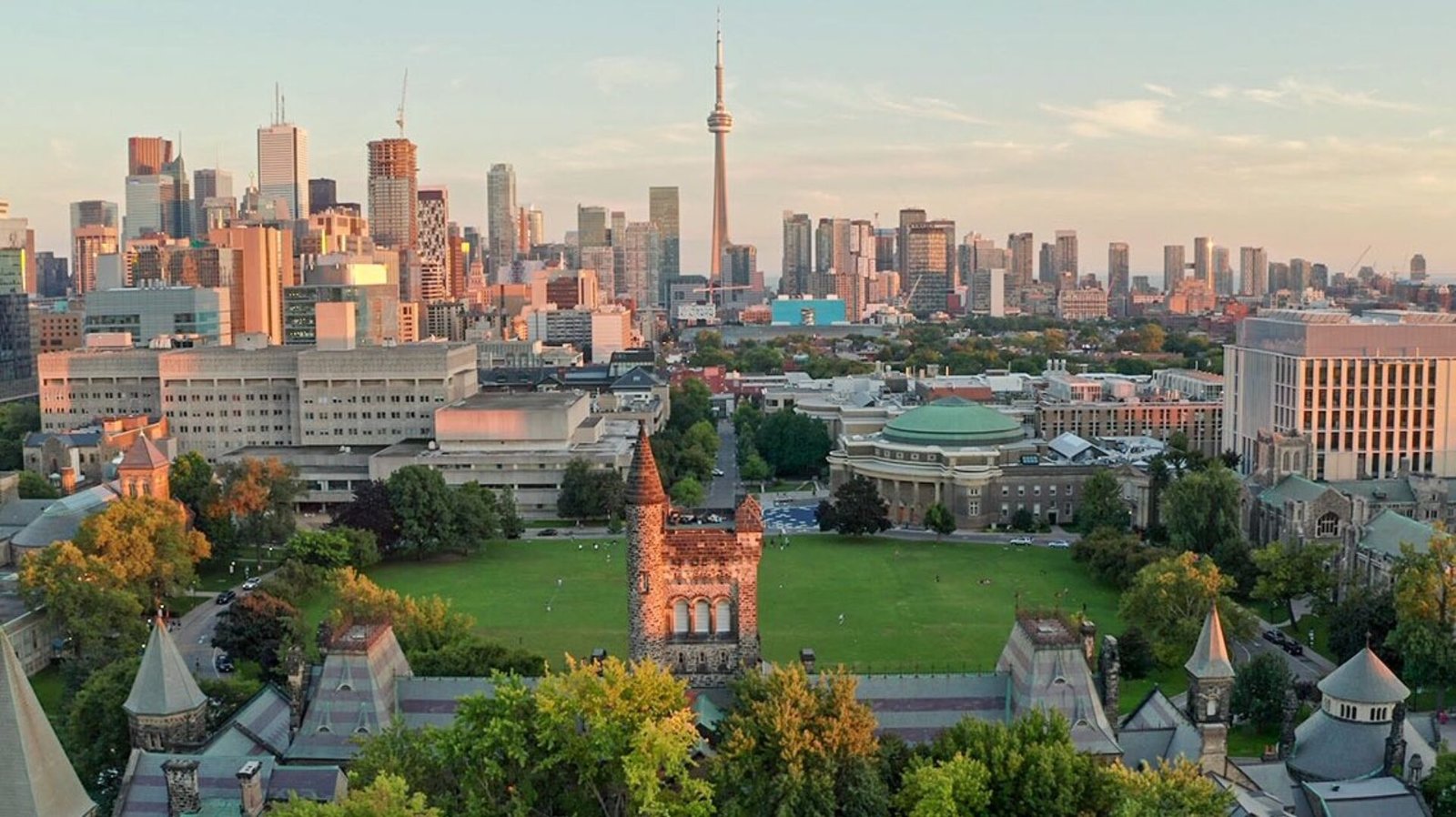

Admission to High School in Vancouver

Admission to High School in Vancouver: A Complete Guide for International Students and Parents
Vancouver, one of the most beautiful and diverse cities in Canada, is not only a global destination for business and tourism but also a top choice for international education. Known for its outstanding schools, safe environment, and multicultural community, Vancouver attracts families from around the world seeking a world-class education for their children.
If you are planning to send your child to study in Vancouver, understanding the high school admission process, requirements, and opportunities is essential. This 2000-word guide provides a detailed overview of how to apply for admission to high school in Vancouver — including school types, academic expectations, visas, custodianship, housing, and the pathway to higher education in Canada.
1. Overview of the Vancouver Education System
Vancouver is located in the province of British Columbia (B.C.), which is recognized for having one of the best education systems in the world. The British Columbia Ministry of Education and Child Care oversees the curriculum and ensures that all schools maintain consistent academic standards.
Education in B.C. is divided into:
-
Elementary School: Kindergarten to Grade 7
-
Secondary (High) School: Grade 8 to Grade 12
Students typically begin high school at age 13 or 14 and graduate around age 17 or 18. Upon successful completion of the curriculum, students receive the British Columbia Dogwood Diploma, a credential recognized by universities across Canada and around the world.
2. Why Choose Vancouver for High School Education
Vancouver stands out as one of the top destinations in Canada for international students because of its academic excellence, cultural inclusivity, and quality of life.
Key advantages include:
-
High Academic Standards: Schools in Vancouver follow the B.C. Curriculum, focusing on academic achievement, creativity, and critical thinking.
-
Multicultural Environment: Students learn in a city where over 50% of residents are multilingual, creating an inclusive environment for newcomers.
-
Safe and Supportive Community: Vancouver consistently ranks among the safest cities in the world.
-
Pathways to Top Universities: Graduating from a B.C. high school offers easy transition into Canadian universities such as the University of British Columbia (UBC) and Simon Fraser University (SFU).
-
Mild Climate: Unlike many other Canadian cities, Vancouver enjoys a moderate coastal climate, making it comfortable for year-round learning and activities.
3. Types of High Schools in Vancouver
When applying for high school in Vancouver, families can choose between public, private, and independent schools. Each option has unique benefits depending on academic goals and lifestyle preferences.
a. Public Schools
Public schools are operated by the Vancouver School Board (VSB), which manages over 90 schools. The education quality is excellent, and international students can apply through the VSB International Education Program.
Public schools follow the provincial curriculum and typically have tuition fees for international students ranging from CAD $16,000–$18,000 per year.
b. Private and Independent Schools: Admission to High School in Vancouver
Private schools operate independently of the public system but must still follow provincial academic standards. They often feature smaller class sizes, enhanced extracurricular programs, and advanced placement (AP) or International Baccalaureate (IB) options. Tuition usually ranges from CAD $25,000–$50,000 per year.
Well-known private schools in Vancouver include:
-
St. George’s School
-
Crofton House School
-
York House School
-
West Point Grey Academy
c. Boarding Schools
For students who need full-time supervision, boarding schools provide accommodation, meals, and structured support within a campus environment. These institutions focus on both academic excellence and personal development.

4. Admission Requirements for International Students
Applying to a high school in Vancouver involves meeting both academic and immigration requirements.
a. Academic Requirements: Admission to High School in Vancouver
-
Transcripts: Applicants must provide school records from the past two to three years, translated into English.
-
English Proficiency: Students whose first language is not English may need to provide test results such as IELTS, TOEFL, or Duolingo English Test. However, many schools conduct their own placement assessments instead.
-
Recommendation Letters: Some schools require references from teachers or school principals.
-
Personal Statement or Interview: Students may be asked to write an essay or participate in an interview to demonstrate motivation and goals.
b. Age Requirement
Most schools accept students between 12 and 18 years old for Grades 8–12.
c. Study Permit
Students planning to study in Canada for more than six months must obtain a Study Permit issued by Immigration, Refugees and Citizenship Canada (IRCC).
5. Step-by-Step Admission Process
Step 1: Research and School Selection
Parents should start by researching potential schools, comparing tuition fees, programs, and support services. The Vancouver School Board website and private school directories are valuable resources.
Step 2: Application Submission
Submit a completed application form along with required documents:
-
Academic transcripts
-
Copy of passport
-
Proof of English proficiency (if applicable)
-
Application fee (usually CAD $200–$300)
Step 3: School Review and Offer
If the application meets the school’s requirements, an Offer of Admission or Letter of Acceptance (LOA) will be issued.
Step 4: Study Permit Application
With the LOA, parents can apply for the Study Permit through IRCC. Required documents include proof of financial support, passport, custodianship form, and visa application forms.
Step 5: Housing and Custodianship Arrangements
Arrange accommodation and custodianship (for minors) before arrival.
Step 6: Arrival and Orientation: Admission to High School in Vancouver
Once the visa is approved, the student can travel to Canada. Most schools provide orientation programs to help new students settle into the academic and social environment.

6. Custodianship for Minor Students
In Canada, students under the age of 19 in British Columbia are considered minors. To study in Vancouver, they must have a legal custodian — a responsible adult who lives in Canada and takes care of the student in the absence of parents.
Both parents and the custodian must sign the Custodianship Declaration Form (IMM 5646), which must be notarized. The custodian assists with the child’s health, safety, and communication with the school.
Some schools or homestay organizations can help parents find qualified custodians who have experience supporting international students.
7. Homestay and Accommodation Options
Vancouver offers several safe and comfortable housing options for international students:
a. Homestay
The most common arrangement for international students under 18. Living with a Canadian host family provides a nurturing environment, home-cooked meals, and daily language practice.
Average cost: CAD $1,200–$1,500 per month, including meals.
b. Boarding School Residence
Some private schools have on-campus dormitories that provide full supervision, academic support, and a structured daily schedule.
c. Private Rentals
Older or more independent students may rent apartments or shared housing near their schools. Students must be mature enough to handle responsibilities like cooking and cleaning.
Schools usually assist families in arranging safe and approved accommodation.
8. Tuition and Living Costs
The total cost of studying in Vancouver varies by school type and lifestyle choices:
| Expense | Estimated Annual Cost (CAD) |
|---|---|
| Public School Tuition | $16,000 – $18,000 |
| Private/Boarding School Tuition | $25,000 – $50,000 |
| Homestay | $12,000 – $18,000 |
| Health Insurance | $600 – $900 |
| Transportation & Miscellaneous | $2,000 – $3,000 |
Parents must demonstrate the ability to cover these costs when applying for the study permit.
9. English Language Support: Admission to High School in Vancouver
Many international students initially need help improving their English. Vancouver schools provide English Language Learning (ELL) programs that integrate language development with regular subjects.
ELL students receive personalized instruction and gradually transition into mainstream classes once proficient. This support ensures academic success and boosts confidence in communication.
10. School Curriculum and Graduation
Vancouver’s high schools follow the British Columbia Curriculum, which emphasizes critical thinking, creativity, and communication. Students must complete courses in the following areas to graduate:
-
English Language Arts
-
Mathematics
-
Science
-
Social Studies
-
Physical and Health Education
-
Career Education
-
Fine Arts and Applied Design, Skills, and Technologies
To earn the Dogwood Diploma, students must complete at least 80 credits, including required and elective courses, and pass provincial assessments in literacy and numeracy.

11. Extracurricular and Enrichment Opportunities
Vancouver schools encourage well-rounded development beyond academics. Students can participate in:
-
Sports: Soccer, basketball, swimming, track, and more.
-
Arts: Music, drama, painting, digital design, and photography.
-
STEM Clubs: Robotics, coding, science fairs.
-
Community Service: Volunteering opportunities that build leadership and social responsibility.
These activities help international students integrate into the school community and develop lifelong skills.
12. Health and Safety: Admission to High School in Vancouver
British Columbia’s schools maintain high safety standards. Each school has counselors, nurses, and support staff to assist students with health and emotional well-being.
Students must have medical insurance while studying in Vancouver. The Medical Services Plan (MSP) is available for long-term students, while short-term students can use private insurance.
13. Transition to University
Graduating from a Vancouver high school provides a strong foundation for admission to Canada’s top universities. Many institutions have partnerships with schools for direct entry programs.
Popular post-secondary destinations include:
-
University of British Columbia (UBC)
-
Simon Fraser University (SFU)
-
University of Victoria (UVic)
-
British Columbia Institute of Technology (BCIT)
Graduates of B.C. schools are also well-prepared for universities in the U.S., U.K., and other countries.
14. Cultural Experience and Student Life
Vancouver’s diverse and welcoming environment helps international students adapt quickly. The city celebrates cultural events year-round, including Lunar New Year, Diwali, and Canada Day, reflecting its global community.
Students can enjoy outdoor activities such as hiking, skiing, and kayaking while exploring Vancouver’s beautiful natural surroundings.
15. Tips for Parents: Admission to High School in Vancouver
Parents play a vital role in supporting their child’s education abroad. Here are some tips to ensure a smooth experience:
-
Communicate regularly with the school and custodian.
-
Encourage independence and adaptability in your child.
-
Monitor academic progress through online school portals.
-
Visit Vancouver if possible, to meet teachers and explore the city.
16. Timeline for Application
It is best to begin the admission process 8–12 months in advance of the school year.
| Timeline | Action |
|---|---|
| September – December | Research and shortlist schools |
| January – March | Submit applications |
| April – May | Receive offer letters |
| May – July | Apply for study permit and arrange housing |
| August | Prepare for travel and orientation |
| September | Begin classes |
17. Conclusion
Admission to high school in Vancouver offers international students a pathway to an exceptional education and bright future. With its high academic standards, supportive learning environment, and multicultural atmosphere, Vancouver stands as one of Canada’s premier destinations for young learners.
Parents can rest assured that their children will be well cared for through comprehensive custodianship, quality housing options, and dedicated school support. Beyond academics, students gain independence, confidence, and a global perspective that will serve them throughout their lives.
By carefully planning each step — from school selection and visa application to housing and adjustment — families can ensure a rewarding and life-changing educational journey in Vancouver. Canada’s reputation for excellence, safety, and inclusivity makes it a place where young learners can thrive, grow, and prepare for a successful future.
In case, if you need help with Admission to High School in Vancouver or other cities in Canada, please fill in application below or contact us directly.