
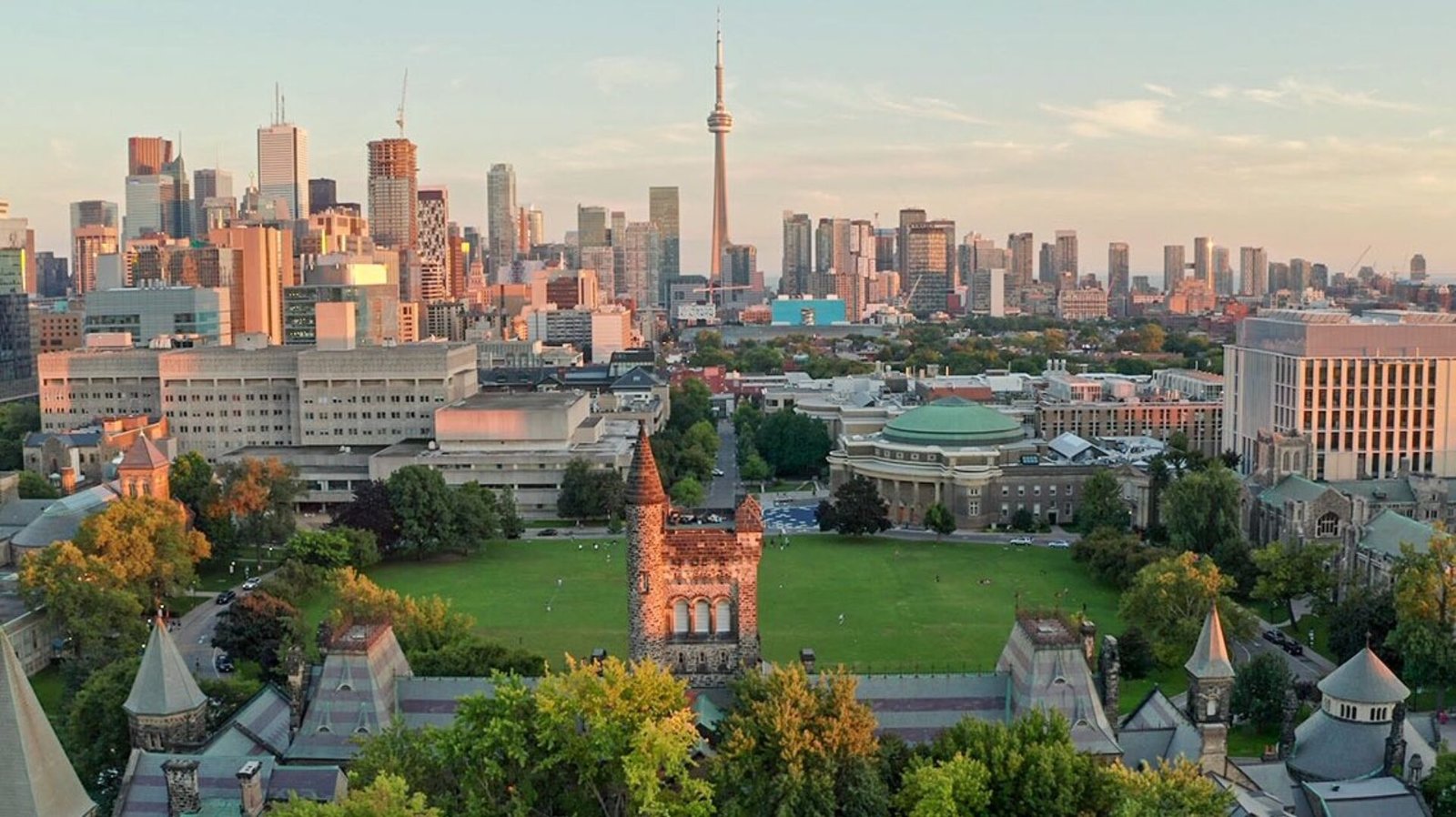

Homestay for High School Students in Vancouver

Homestay for High School Students in Vancouver: A Complete Guide for International Families
Vancouver, one of the most beautiful and multicultural cities in Canada, is not only known for its mountains and ocean views but also for its exceptional education system. Each year, thousands of international students come to study in Vancouver’s high schools, drawn by its high-quality academics, safety, and diversity. For these students, a homestay — living with a Canadian host family — is one of the most enriching and supportive accommodation options available.
This 2000-word guide explores everything international families need to know about homestay for high school students in Vancouver, including how it works, what to expect, the benefits, costs, selection process, and cultural experience it provides.
1. Introduction to Homestay in Vancouver
Homestay is a program where international students live with a local Canadian family during their studies. It is particularly popular in Vancouver, a city known for its friendly people and cultural inclusiveness. Homestay provides not just a place to stay, but a complete cultural and language immersion experience, allowing students to learn English naturally through daily interaction.
Vancouver’s high schools often collaborate with trusted homestay providers to ensure that students have safe, comfortable, and supportive environments where they can focus on learning and personal growth.
Homestay is ideal for high school students aged 13 to 18 who may be far from their families for the first time. It helps them adapt to Canadian culture, develop independence, and feel at home in a new country.
2. Why Choose Vancouver for High School Education
Vancouver consistently ranks among the top cities in the world for livability, education, and student satisfaction. The city offers:
-
World-class schools: Vancouver’s public and private schools maintain high academic standards with advanced facilities and diverse programs.
-
Multicultural environment: Students from Asia, Europe, the Middle East, and South America study together, promoting cultural understanding.
-
Safety and cleanliness: Vancouver is one of Canada’s safest major cities, making it an excellent choice for international students.
-
Beautiful natural surroundings: The city’s parks, beaches, and mountains provide countless recreational opportunities.
-
Access to universities: Many graduates from Vancouver high schools successfully continue their studies at the University of British Columbia (UBC), Simon Fraser University (SFU), and other top institutions.
3. What Is a Homestay Program?
A homestay program connects international students with local families who open their homes to provide accommodation, meals, and support. The goal is to create a family-like environment where students can live comfortably and safely while studying.
Homestay families are carefully selected and approved through background checks, interviews, and home inspections. They are chosen based on their ability to offer a clean, safe, and caring environment.
Each homestay typically provides: Homestay for High School Students in Vancouver
-
A private furnished bedroom (with a bed, desk, and storage)
-
Three daily meals (breakfast, lunch, and dinner)
-
Wi-Fi access and use of shared home areas
-
Laundry facilities
-
A supportive family atmosphere that encourages English communication
4. Benefits of Homestay for High School Students
Homestay offers many advantages for international high school students in Vancouver:
a. A Safe and Caring Environment
For young students far from home, safety and supervision are essential. Homestay families ensure that students are well cared for, providing guidance and monitoring daily routines.
b. English Language Immersion: Homestay for High School Students in Vancouver
Living with a local family helps students improve their English naturally. They practice conversation every day, learn Canadian expressions, and gain confidence in listening and speaking.
c. Cultural Integration
Homestay allows students to experience Canadian traditions, foods, holidays, and social customs firsthand. This cultural exchange helps them adapt more easily to their new surroundings.

d. Emotional Support
Homesickness can be challenging for international students. Host parents often play an important role in offering encouragement, helping students feel comfortable, and supporting them like family.
e. Convenience
Most homestays are located near schools or along public transportation routes, making it easy for students to commute. Meals and utilities are included, simplifying daily life.
f. Personal Growth
Students learn independence, responsibility, and self-discipline by living abroad. Managing time, respecting house rules, and adapting to a new culture contribute to maturity and confidence.
5. The Role of the Host Family: Homestay for High School Students in Vancouver
Host families play a vital role in the success of a student’s experience. They are not just landlords — they are mentors, caregivers, and cultural ambassadors.
Responsibilities of a host family include:
-
Providing a comfortable private room and healthy meals.
-
Offering guidance and supervision appropriate for a teenager.
-
Helping the student adjust to local customs and daily routines.
-
Encouraging participation in family activities, such as dinners and outings.
-
Communicating with the student’s school or custodian when needed.
A good host family helps students feel part of their household — celebrating birthdays, sharing meals, and supporting them during exams or challenges.
6. Custodianship and Legal Responsibility
In Canada, international students under 18 must have a custodian — a responsible Canadian adult who takes legal responsibility for their well-being.
While the homestay family provides daily care, the custodian handles formal responsibilities such as:
-
Communicating with the school.
-
Approving permission forms.
-
Acting as the student’s legal representative in emergencies.
Many homestay agencies in Vancouver also offer custodianship services to ensure the student’s safety and compliance with Canadian immigration requirements.
7. Daily Life in a Homestay for High School Students in Vancouver
Living in a homestay is different from living in a dormitory or apartment. Students become part of a household with shared routines and expectations.
Typical aspects of daily homestay life include:
-
Meals together: Breakfast and dinner are often shared with the host family, offering time for conversation and bonding.
-
House rules: Students are expected to respect curfews, help keep their room tidy, and communicate about schedules.
-
School commute: Most students travel by bus, SkyTrain, or bicycle to their high school.
-
Family interaction: Watching TV, playing board games, or attending community events are common activities.
These experiences give students a true sense of Canadian family life and help them build lasting friendships.
8. Cultural Exchange Experience
Homestay provides an authentic cultural exchange. Students share their own traditions, foods, and language with their host families while learning about Canadian life.
Vancouver’s multicultural environment means that host families are often open-minded and experienced in hosting students from different countries. This creates mutual respect and appreciation for diverse backgrounds.
Cultural exchange benefits both sides:
-
Students gain a deep understanding of Canadian culture.
-
Host families learn about other countries and traditions.
-
Both build lifelong international connections.

9. Matching Students with Host Families; Homestay for High School Students in Vancouver
Homestay programs in Vancouver carefully match students with families based on preferences and compatibility.
The matching process typically considers:
-
Student’s age and gender
-
School location and commute distance
-
Dietary needs (vegetarian, halal, etc.)
-
Cultural or religious preferences
-
Allergies and health conditions
-
Family lifestyle (quiet, active, with or without children or pets)
Before arrival, students receive detailed information about their host family, including photos and a description of the home. Families are also informed about the student’s background, interests, and study goals to ensure a good match.
10. Costs of Homestay in Vancouver
The cost of homestay varies depending on the location, amenities, and level of service. For high school students in Vancouver, average monthly fees range from CAD $1,200 to $1,800.
This typically includes:
-
A private bedroom
-
Three daily meals
-
Utilities (electricity, internet, heating)
-
Support and supervision
Additional costs may include:
-
Transportation (monthly transit pass: around CAD $60–$100)
-
Personal expenses and entertainment
-
School supplies
While it may seem costly, homestay is generally more affordable than renting an apartment, especially considering that meals and utilities are included.
11. Safety and Quality Standards: Homestay for High School Students in Vancouver
Safety is the top priority in any homestay arrangement. Reputable programs in Vancouver follow strict standards, including:
-
Background checks for all adult family members.
-
Home inspections to ensure cleanliness and safety.
-
Orientation and training for host families on supporting teenagers.
-
24-hour emergency assistance for students.
Students and parents can feel confident knowing that homestay agencies work closely with schools and local authorities to maintain these standards.
12. How to Apply for a Homestay Program: Homestay for High School Students in Vancouver
Applying for homestay in Vancouver usually involves the following steps:
-
Apply to a Vancouver high school and receive an acceptance letter.
-
Choose a homestay provider (either through the school or an agency).
-
Complete a student profile form with details about lifestyle, diet, allergies, and preferences.
-
Pay the homestay placement fee (if required).
-
Receive host family details before arrival.
-
Arrange custodianship and airport pickup if needed.
Upon arrival, students are welcomed by their host families and introduced to the home, transportation routes, and local community.
13. Adjusting to Life in Vancouver
For many international students, the first few weeks can be both exciting and challenging. Adjusting to a new environment requires patience, communication, and openness.
Tips for successful adjustment:
-
Speak English daily, even if it feels difficult at first.
-
Ask questions about house rules and routines.
-
Share meals and conversations with the host family.
-
Stay positive and participate in school and community activities.
-
Stay in touch with family back home while focusing on making new friends.
Homestay families understand the challenges of adapting and are there to help students every step of the way.
14. Support from Schools and Homestay Agencies: Homestay for High School Students in Vancouver
Both Vancouver schools and homestay organizations provide continuous support to ensure students’ well-being.
-
Schools often have international student coordinators who help with academics, cultural adjustment, and personal issues.
-
Homestay agencies maintain regular contact with both families and students, ensuring satisfaction and addressing concerns promptly.
Together, they create a strong network of care for international high school students.
15. Alternatives to Homestay
While homestay is the most popular choice, some older students may prefer other options such as:
-
Student residences (on or near school campuses)
-
Shared apartments (for mature students 18+)
-
Relatives or custodians living in Vancouver
However, for younger high school students, homestay remains the safest and most beneficial option, providing structure and emotional support.
16. The Long-Term Impact of Homestay for High School Students in Vancouver
Homestay experiences often have a lifelong impact. Many students stay in touch with their host families long after graduation, visiting them on holidays or inviting them abroad.
Living in a homestay helps students develop key life skills — adaptability, empathy, and global awareness — that shape them into responsible adults. It also provides unforgettable memories and friendships that transcend borders.
17. Why Homestay Is the Best Choice for High School Students in Vancouver
-
Provides a safe, family-oriented environment.
-
Encourages language fluency and cultural understanding.
-
Offers affordable accommodation with meals included.
-
Ensures supervision for minors.
-
Helps students integrate into Canadian life with confidence.
For parents seeking peace of mind and students hoping for a supportive and authentic Canadian experience, homestay is the ideal solution.
Conclusion
A homestay for high school students in Vancouver is much more than a place to live — it’s an opportunity for personal growth, cultural immersion, and academic success. Surrounded by caring host families, beautiful natural surroundings, and world-class schools, students in Vancouver gain not only an education but a home away from home.
Homestay provides the foundation for young learners to thrive in a new country, embrace new experiences, and build lasting connections that shape their futures. In a city as welcoming and diverse as Vancouver, it’s the perfect start to a successful journey in Canada.
In case, if you need help with Homestay for High School Students in Vancouver or other cities in Canada, please fill in application below or contact us directly.