
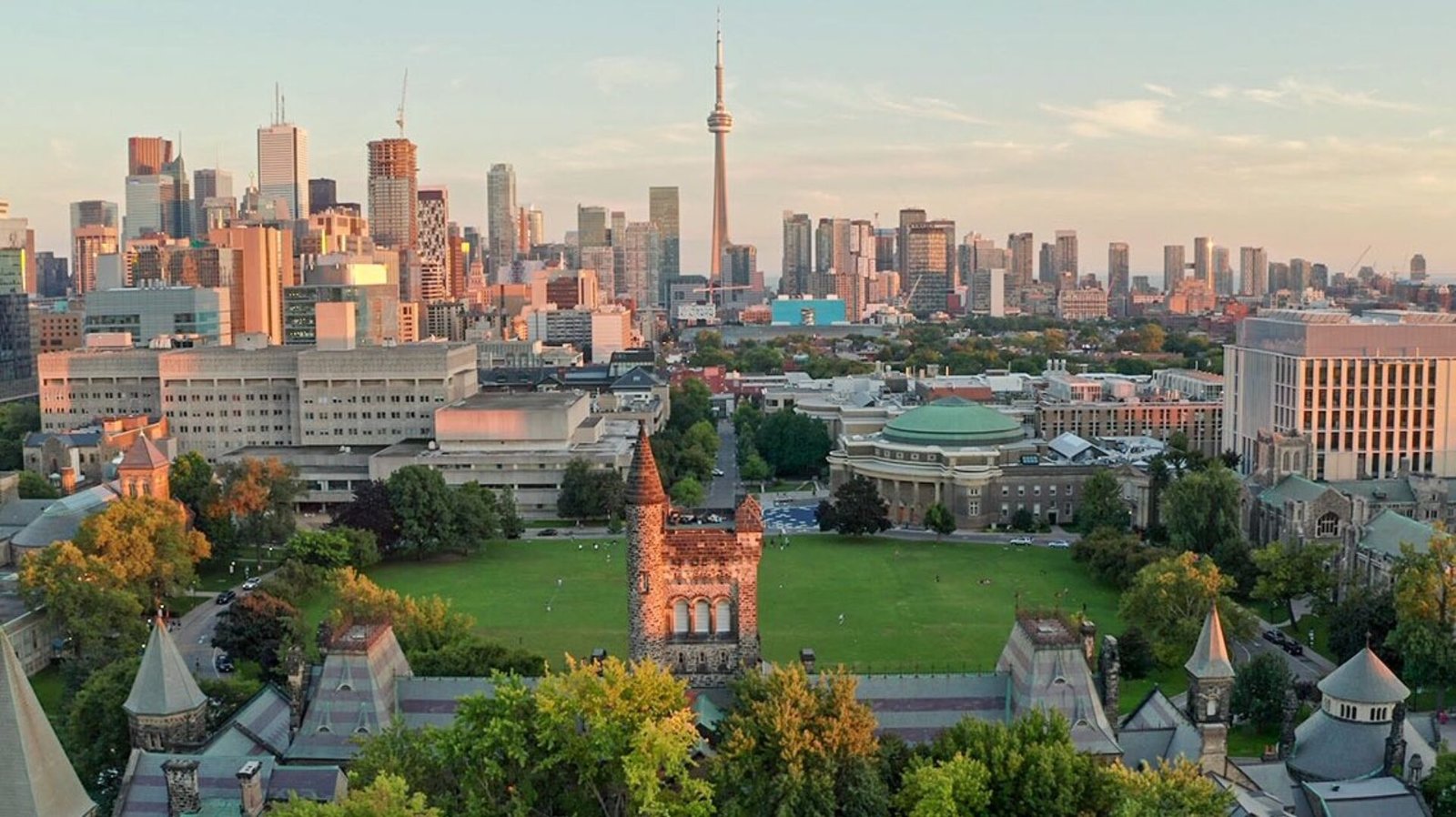

Minor Students in Canada

Minor Students in Canada: Education, Rights, and Guardianship
Introduction
Canada is recognized globally for its inclusive, high-quality education system that serves millions of children and youth. Among those enrolled are minor students, a category that includes both Canadian citizens and international students under the age of 18 (or 19 in some provinces). The education of minor students in Canada is governed by provincial laws, ensuring that all children—regardless of status—have access to safe, structured, and enriching academic environments.
Canada has also become an attractive destination for families and international students seeking a strong academic foundation, cultural diversity, and pathways to future opportunities. This article provides a comprehensive overview of minor students in Canada, including definitions, enrollment, education systems, guardianship requirements, international student considerations, and support structures in place for success.
Who Are Minor Students?
In Canada, the term minor refers to a person who is under the age of majority, which varies by province:
-
18 years old in Alberta, Manitoba, Ontario, Prince Edward Island, Quebec, and Saskatchewan
-
19 years old in British Columbia, New Brunswick, Newfoundland and Labrador, Northwest Territories, Nova Scotia, Nunavut, and Yukon
A minor student is a person below this age who is enrolled in an educational program, either in public, private, or international schools. They can be:
-
Canadian citizens or permanent residents
-
Children of temporary residents (e.g., work permit holders, study permit holders)
-
International students on a study permit
-
Refugee or asylum-seeking minors
Canada's Education System for Minors: Minor Students in Canada
Canada’s education system is administered provincially, not federally. This means that each province and territory sets its own curriculum, policies, and school structures. However, across Canada, public education is:
-
Free for Canadian citizens and permanent residents
-
Mandatory from ages 5–6 through 16–18, depending on the province
-
Available in English, French, or bilingual settings
Structure of Schooling
-
Kindergarten (Optional or mandatory): Age 4 or 5
-
Elementary School: Grades 1 to 6 (or 8 in some provinces)
-
Middle School / Junior High: Grades 7 to 9 (varies)
-
Secondary School (High School): Grades 9 to 12 (or 10 to 12)
The curriculum generally includes:
-
English or French language arts
-
Mathematics
-
Science
-
Social studies/history/geography
-
Physical education
-
Fine arts
-
Second languages
-
Indigenous studies (in many provinces)
Enrollment of Canadian Minor Students in Canada
Requirements for Enrollment
Canadian citizens and permanent residents can enroll in public schools by providing:
-
Birth certificate or immigration documents
-
Proof of residence (e.g., lease or utility bill)
-
Immunization records
-
Previous school transcripts (if transferring)
Public education is typically funded through taxes, and tuition is not required for local students. Many schools offer diverse programs, including:
-
Advanced Placement (AP)
-
International Baccalaureate (IB)
-
French immersion
-
Indigenous education programs
-
ESL/ELL (English Language Learner) support
International Minor Students in Canada
Canada is one of the top destinations for international minor students, attracting thousands each year from countries such as China, India, South Korea, Vietnam, Brazil, Nigeria, and more.
Requirements for Study
To study in Canada, international minors must:
-
Apply and be accepted into a Designated Learning Institution (DLI)
-
Obtain a study permit
-
Have a custodian or legal guardian in Canada if they are under the age of majority and not accompanied by a parent
Designated Learning Institutions (DLIs)
Only schools approved by a provincial or territorial government can host international students. These include:
-
Public schools
-
Private elementary and secondary schools
-
Some religious or independent schools
Some public school boards even operate international student programs that include English-language training, homestay arrangements, and cultural integration activities.
 Study Permit Requirements
International minor students need:
-
A valid passport
-
A letter of acceptance from a DLI
-
Proof of financial support
-
A Custodianship Declaration if not accompanied by a parent
The study permit usually includes permission to study until the end of high school.
Custodianship and Guardianship: Minor Students in Canada
One of the most important legal requirements for international minor students in Canada is custodianship. Since minors cannot make legal decisions for themselves, a custodian is needed to act in the parent’s place.
Custodianship Declaration
Canada requires a Custodianship Declaration (IMM 5646):
-
This is a legal document signed and notarized in both the home country and Canada.
-
It designates a responsible adult (usually over age 25) in Canada who agrees to care for the student.
-
The custodian is responsible for decisions related to health, safety, emergencies, and school matters.
Some provinces may also require:
-
Police clearance for custodians
-
Proof of Canadian citizenship or permanent residency
-
Additional documents such as consent letters or power of attorney
Custodian vs. Legal Guardian
-
A custodian is often a temporary arrangement for school purposes.
-
A legal guardian may be appointed by a court and has broader legal responsibilities.
-
In cases such as adoption, family reunification, or long-term immigration, legal guardianship may be necessary.
Living Arrangements
Minor students must live in safe and approved housing, which may include:
1. With a Parent or Relative
-
Simplifies the immigration process
-
Parent holds a visitor visa or accompanying study/work permit
2. Homestay Programs: Minor Students in Canada
-
Common for international students
-
Students live with a local Canadian family approved by the school or agency
-
Provides cultural immersion, safety, and daily care
3. Boarding Schools
-
Residential private schools
-
Offer supervision, meals, academic support, and extracurriculars
4. Independent Living (Age 17+)
In rare cases, mature minors over 17 may be allowed to live independently, but this usually requires written approval from school authorities and custodianship in place.
Rights and Protections for Minor Students
Canada provides strong legal and social protections for minors, including those who are not citizens.
Access to Education
-
All children residing in Canada, regardless of immigration status, have the right to attend public schools.
-
Refugee and asylum-seeking children are included in this right.
Anti-Discrimination
Human rights codes in every province prohibit discrimination based on:
-
Race
-
Gender identity
-
Religion
-
Disability
-
Immigration status

Schools must ensure inclusive environments and equitable treatment.
Child Protection Laws: Minor Students in Canada
-
Every province has child welfare legislation that protects minors from abuse, neglect, and exploitation.
-
School staff are mandatory reporters who must inform child protection agencies if they suspect harm or danger.
Health Services
Minors may be eligible for provincial health coverage if their parents have valid status. Otherwise, private insurance is required, especially for international students.
Challenges Faced by Minor Students
Language and Integration
Many international and newcomer students struggle initially with:
-
English or French proficiency
-
Cultural differences
-
Social integration
-
Adjusting to new teaching styles
Support services such as ESL/ELL programs, peer mentors, and settlement workers help them adjust.
Separation from Family
Young international students living away from their parents often face emotional challenges:
-
Homesickness
-
Mental health issues
-
Social isolation
Schools and custodians must monitor well-being and encourage communication with families back home.
Financial Pressure
Studying in Canada can be expensive. Costs may include:
-
Tuition (for international students)
-
Homestay or boarding fees
-
Health insurance
-
School supplies and uniforms (where applicable)
Scholarships for K–12 students are limited, but some schools offer discounts or financial assistance.
Mental Health and Wellness: Minor Students in Canada
Canadian schools increasingly prioritize student mental health through:
-
On-site counselors
-
Mental health awareness programs
-
Peer support groups
-
Referrals to external services
The emphasis is on creating safe, inclusive, and caring schools, where emotional well-being is as important as academic success.
Post-Secondary Pathways
High school education in Canada opens doors to:
1. Canadian Colleges and Universities
-
International minors who complete high school in Canada can apply as domestic students in some provinces.
-
They may be eligible for provincial tuition rates and scholarships.
2. Permanent Residency Opportunities
-
Studying in Canada is a first step toward permanent residency for many.
-
Parents may later apply for immigration pathways that reunite them with their child.
3. Transfer to Other Countries
-
A Canadian high school diploma is widely recognized and can be used for applications to universities in the U.S., U.K., Australia, and more.

Community and Extracurricular Engagement: Minor Students in Canada
Minor students benefit from rich, engaging school environments that go beyond academics:
-
Sports teams, music programs, drama clubs
-
Leadership and volunteer programs
-
Student council and debate teams
-
Cultural festivals and Indigenous education
These opportunities promote confidence, citizenship, and career readiness.
School Boards and Agencies
Each province has public school boards, Catholic school boards, and private school associations that oversee education for minor students.
Key responsibilities include:
-
Curriculum delivery
-
Health and safety policies
-
Oversight of homestay and international programs
-
Hiring qualified teachers
-
Ensuring compliance with provincial education laws
Parental Involvement
Parents or guardians are encouraged to stay involved through:
-
Parent-teacher interviews
-
School newsletters
-
Progress reports and report cards
-
School council meetings
-
Digital learning portals
For international parents, many schools offer translated communication and interpreter services to bridge the gap.
Conclusion
Minor students in Canada are supported by a comprehensive, inclusive, and legally protected education system. Whether born in Canada or arriving from abroad, minors receive access to quality schooling, social integration support, and a wide range of extracurricular experiences.
International minor students benefit from a well-established framework of study permits, custodianship, and school board oversight that ensures their health, safety, and academic achievement. Domestic minor students are nurtured by strong public infrastructure, legal protections, and a focus on diversity and well-being.
Canada continues to lead globally in providing a safe, empowering, and opportunity-rich educational experience for all minor students, helping shape the next generation of leaders, innovators, and compassionate global citizens.
In case, if you need help with Homestay and Custodianship for students in order to study in Canada, please fill in application below or contact us directly.