
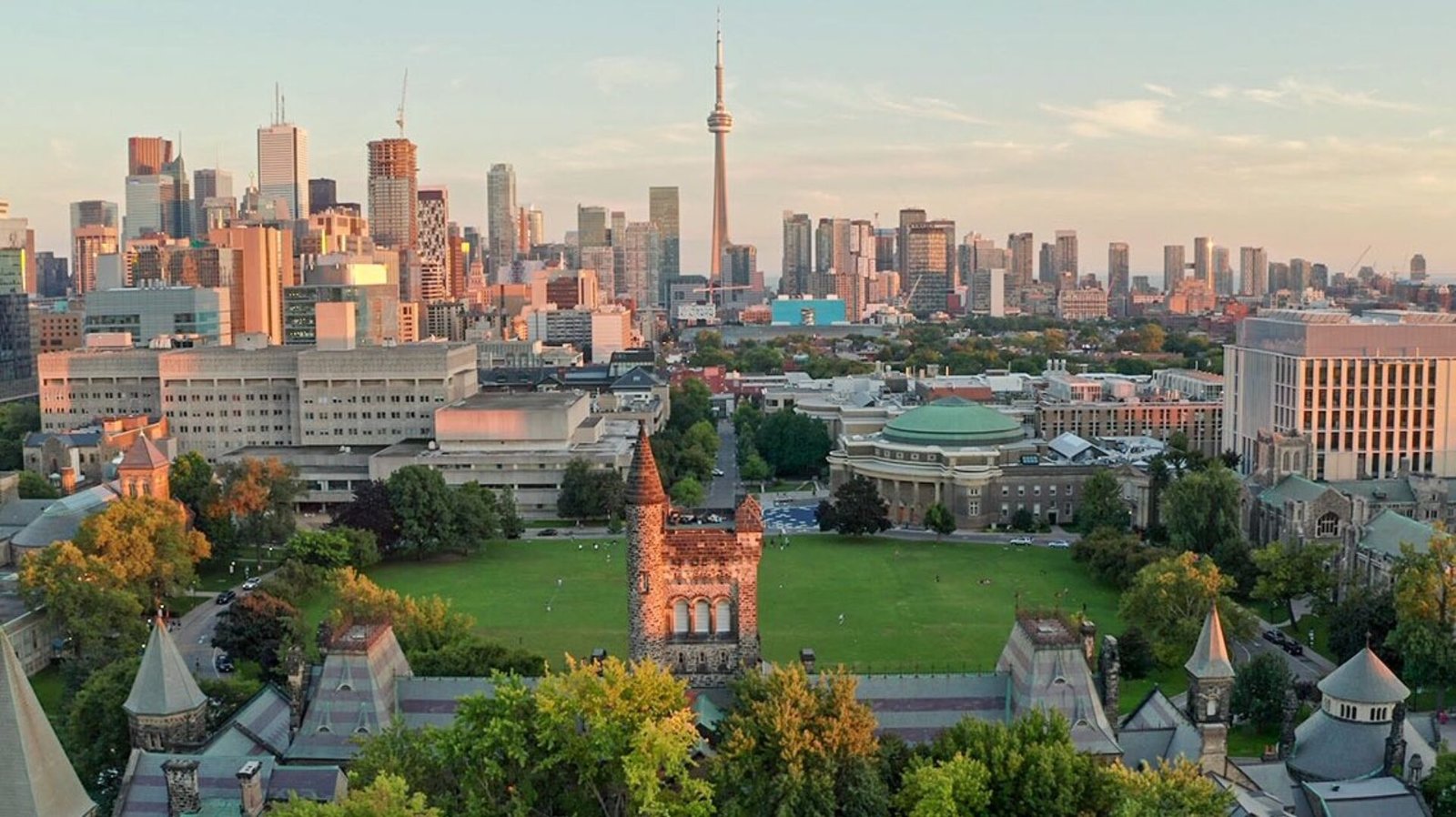

Minor Students in Edmonton

Minor Students in Edmonton: Education, Support, and Opportunities
Introduction
Edmonton, the capital city of Alberta, is known for its welcoming communities, excellent education system, and safe environment. Every year, many minor students — both local and international — pursue education in Edmonton, drawn by the city’s academic excellence, affordable cost of living, and vibrant cultural life.
This article provides an in-depth look into the experience of minor students in Edmonton, covering educational options, legal guardianship requirements, housing, health care, student life, and resources available to support their growth and success.
Who Are Minor Students?
In Canada, a minor student is typically defined as a person under the age of 18. In Alberta, the legal age of majority is 18, meaning any person below that age is considered a minor. Minor students in Edmonton may include:
-
Canadian-born or local minors attending public or private schools
-
International students coming from abroad for high school or earlier grades
-
Refugee or asylum-seeking minors
-
Students living with extended family or host families
Each group may face different challenges and requirements, but all benefit from Edmonton’s inclusive, student-focused environment.
Education System in Edmonton
Edmonton offers a diverse range of schooling options for minor students, governed by Alberta Education, the provincial authority responsible for curriculum and school regulations.
Public Schools: Minor Students in Edmonton
The Edmonton Public School Board (EPSB) and Edmonton Catholic Schools (ECS) are the two main public school systems in the city. Both boards offer education from kindergarten through Grade 12. While EPSB is secular, ECS offers a faith-based Catholic education.
Public schools are funded by the government and are generally free for Canadian citizens and permanent residents. International students, however, are required to pay tuition fees.
Private and Independent Schools
Edmonton is home to numerous private and independent schools that offer alternative curriculums, including Montessori, International Baccalaureate (IB), and religious education. These schools may have smaller class sizes and specialized programs, but tuition fees are required for all students.
Language and Specialized Programs
Many schools in Edmonton offer specialized language programs, such as:
-
French Immersion
-
English as a Second Language (ESL)
-
Bilingual Programs (Mandarin, Arabic, Ukrainian, etc.)
There are also schools with a focus on arts, sciences, sports, or technology.
Guardianship and Legal Requirements
Legal Custodianship
Minor students who are not living with their parents in Canada are required to have a legal custodian or guardian. This is a critical requirement for international students and applies to all minors under the age of 18.
A custodian is a responsible adult — typically a Canadian citizen or permanent resident — who agrees to care for and make decisions on behalf of the minor. A notarized custodianship declaration form is usually required during the student visa application process.
Responsibilities of a Custodian
Custodians are expected to: Minor Students in Edmonton
-
Provide a stable home environment
-
Monitor academic progress and attendance
-
Ensure the student’s health and safety
-
Be available in case of emergencies
-
Communicate with school officials and parents
In many cases, custodianship can be provided by family members, friends, or through homestay or guardianship service providers in Edmonton.

Homestay and Living Arrangements
Many international minor students in Edmonton live in homestays — arrangements where students stay with carefully selected local families. Homestays offer a secure, supervised environment where students can adapt to Canadian culture and improve their English skills.
Benefits of Homestay
-
Safe, family-style living
-
Daily meals provided
-
Cultural immersion
-
Support for day-to-day needs
-
Connection to local community
Other housing options for older minors include staying with relatives or renting with a guardian, but minors are not permitted to live alone.
Healthcare for Minor Students
All residents of Alberta, including eligible international students, can apply for Alberta Health Care Insurance Plan (AHCIP). Local minors automatically qualify for public healthcare, while international students may be eligible depending on the duration of their stay and other factors.
Healthcare services in Edmonton include:
-
General practitioners and pediatricians
-
Mental health counseling
-
Dental and vision care (some may require private insurance)
-
Hospital care and emergency services
Schools also provide on-site support through counselors, nurses, and wellness programs.
Mental Health and Student Wellness: Minor Students in Edmonton
Adolescence can be a stressful time, especially for students adjusting to a new country or academic environment. Edmonton schools prioritize mental health and well-being, offering resources such as:
-
School counselors and psychologists
-
Peer support programs
-
Anti-bullying campaigns
-
Emotional resilience workshops
-
Community youth centers and hotlines
Organizations across Edmonton also offer mental health support specifically for youth and newcomers.
School Activities and Student Life
Education in Edmonton is not limited to academics. Schools and community organizations encourage minor students to participate in a wide range of extracurricular activities, such as:
-
Sports teams (soccer, basketball, volleyball, etc.)
-
Music and drama clubs
-
Robotics and coding clubs
-
Environmental and social justice groups
-
Volunteer and leadership programs
Participation in such activities helps students build friendships, improve confidence, and develop essential life skills.
Support for International Students
Edmonton schools are well-equipped to support international minors. Dedicated International Student Programs (ISP) within public and private schools offer services like:
-
ESL instruction
-
Orientation and cultural adjustment programs
-
Academic support and tutoring
-
Language assessment and placement
-
Guidance counseling
Some schools also provide mentorship programs, where current students help newcomers navigate their first few months in Canada.
Transportation and Mobility: Minor Students in Edmonton
Edmonton has a well-developed public transit system, including buses and a Light Rail Transit (LRT) system. Minor students can use youth transit passes to travel to and from school at a reduced cost.
Walking and biking are also common among students, especially in residential neighborhoods. Schools often have designated safe zones and crossing guards.
Safety and Legal Protection
Edmonton is considered a safe city, and schools prioritize student protection through:
-
Zero-tolerance policies on bullying and violence
-
Emergency preparedness drills
-
Supervised school environments
-
Collaboration with local police for school resource officers
Minors are protected under Canadian child welfare laws, and the Child, Youth and Family Enhancement Act ensures that their rights are respected and safeguarded.

Integration and Cultural Diversity
Edmonton is a multicultural city, home to people from all over the world. Minor students, especially newcomers, benefit from a society that values diversity and inclusion.
Cultural festivals, language schools, community centers, and religious organizations provide opportunities for students to stay connected to their heritage while embracing new experiences.
Programs such as:
-
Settlement support for newcomer youth
-
Cultural heritage days at schools
-
Multilingual peer support groups
help foster a strong sense of belonging.
Employment and Volunteering for Older Minors: Minor Students in Edmonton
Students aged 15 and up may be eligible for part-time work in Edmonton, although work permits may be required for international students. Common jobs include retail, food service, tutoring, and summer camps.
Volunteering is also popular and can be a stepping stone to gaining Canadian experience. Schools often promote volunteering for credit hours toward graduation.
Graduation and Post-Secondary Pathways
The main academic goal for most high school students in Edmonton is to earn the Alberta High School Diploma. This diploma is recognized across Canada and internationally.
Students take a mix of core subjects and electives, and many opt for university preparation tracks. Edmonton has strong ties to post-secondary institutions, such as:
-
University of Alberta
-
MacEwan University
-
NAIT (Northern Alberta Institute of Technology)
Guidance counselors help students explore programs, scholarships, and application processes.
Financial Considerations
For local students, education in public schools is free. However, international students must pay tuition, which varies depending on the school and grade level. Other possible expenses include:
-
Custodianship and homestay fees
-
Health insurance
-
School supplies and uniforms (where applicable)
-
Transportation and personal expenses
Scholarships and bursaries may be available, especially for high-achieving or low-income students.
Community Resources and Support: Minor Students in Edmonton
Several organizations in Edmonton offer dedicated services for minor students and their families, including:
-
Newcomer settlement agencies
-
Youth mentorship programs
-
Faith-based support groups
-
Libraries and after-school programs
-
Summer camps and enrichment workshops
These resources help ease the transition for minors and give them opportunities to thrive.
Challenges Faced by Minor Students
While Edmonton offers many advantages, minor students may still face challenges such as:
-
Language barriers
-
Cultural adjustment
-
Academic pressure
-
Homesickness
-
Navigating legal and administrative requirements
However, these challenges can often be overcome with proper support from schools, guardians, and community programs.
Conclusion
Minor students in Edmonton benefit from a nurturing, inclusive, and academically strong environment. Whether they are local students growing up in Alberta or international students seeking new educational experiences, Edmonton offers the safety, support, and opportunity they need to succeed.
From high-quality schooling and legal protection to vibrant student life and cultural integration, Edmonton remains a top destination for families who want the best for their children’s future.
For those planning to send a minor student to study in Edmonton, early preparation is key. Understanding the requirements for guardianship, healthcare, housing, and education will ensure a smooth and successful experience. With the right resources and a supportive environment, minor students in Edmonton are well on their way to achieving personal, academic, and lifelong success.
In case, if you need help with Minor Students in Edmonton and their Homestay, Custodianship, Admission and Study Visa, please fill in application below or contact us directly.