
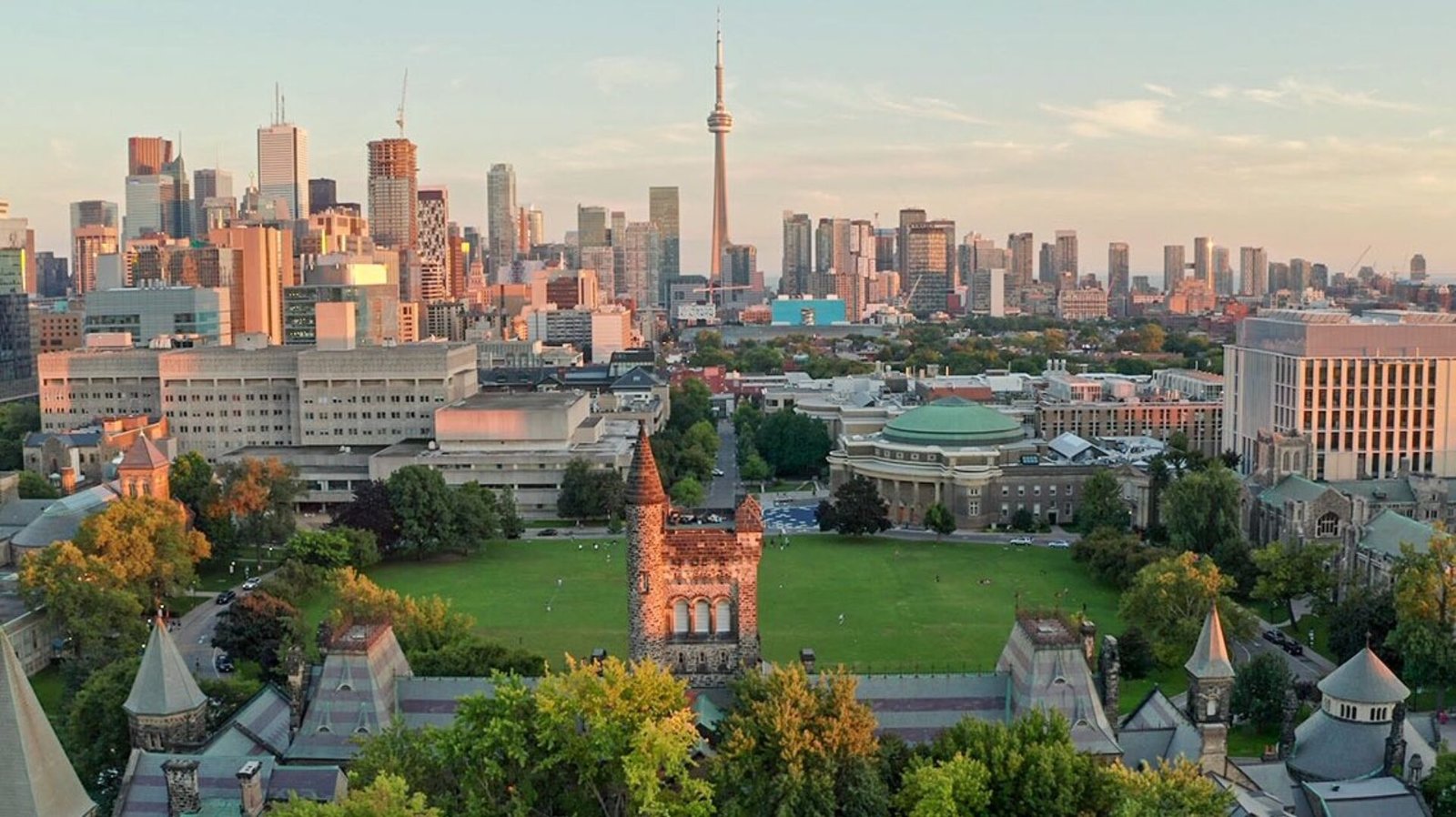

Minor Students in Montreal

Minor Students in Montreal: A Comprehensive Guide to Education, Support, and Life
Introduction
Montreal, one of Canada’s most vibrant and culturally diverse cities, is renowned for its rich history, bilingual heritage, and world-class education system. For families who send their children to study in Montreal—whether they are local residents, international students, or newcomers—the city offers countless opportunities for academic excellence and personal growth. This guide explores the experiences of minor students (under 18 years of age) in Montreal, providing an in‐depth look at the education system, guardianship and legal requirements, housing options, health and well‐being services, extracurricular life, and the cultural elements that contribute to a supportive learning environment.
In Montreal, minor students come from varied backgrounds, including Canadian citizens living in the city, international students arriving on study permits with dedicated custodians, and immigrant youth navigating cultural changes. Regardless of their status, every young learner in Montreal receives support through a network of dedicated school programs, community services, and legal protections. This article breaks down each aspect that affects their day-to-day life, academic progress, and overall development.
Understanding the Context of Minor Students in Montreal
Who Are Minor Students?
By legal definition in Quebec, minor students are individuals under 18 years of age who are engaged in compulsory education. They include:
-
Local students: Canadian-born youths attending public or private schools while living with their parents or guardians.
-
International students: Young learners coming from abroad to pursue secondary education, usually requiring a study permit and a local custodian.
-
Newcomer and immigrant students: Children arriving with refugee or immigration status, often in need of specialized cultural, linguistic, and academic support.
The unique needs of these groups have shaped Montreal’s educational policies and community services, ensuring that all minors are well cared for and provided with a path to success.
The Education System in Montreal: Minor Students in Montreal
Structure and Curriculum
Montreal’s education system is primarily managed by two major school boards: the English Montreal School Board (EMSB) and the Commission scolaire de Montréal (CSD) for French-language schools. There are also several private and international schools serving the community.
-
Grade Levels: In Quebec, secondary education usually begins in Secondary I (approximately Grade 7) and continues through Secondary V (Grade 11), culminating in a Diploma of Secondary Studies (DSS). Some institutions offer additional programs or preparatory courses that extend into a pre-university level, aligning with the province’s unique education model.
-
Bilingual and Immersion Programs: Given Montreal’s bilingual nature, many schools provide French immersion programs for anglophone students and vice versa. Language support programs are widespread, ensuring that all students, including newcomers, can succeed academically.
-
Specialized Curricula: In addition to the standard academic subjects (mathematics, sciences, social studies, literature, and physical education), many schools offer enriched or applied learning tracks, technology and arts programs, and specialized classes for students with unique learning needs.
Public, Private, and Alternative Schooling Options: Minor Students in Montreal
Montreal offers a range of schooling options to accommodate the diverse requirements of its students:
-
Public Schools: Most minor students attend government-funded schools that follow the provincial curriculum. These schools are open to residents in specific catchment areas.
-
Private and Independent Schools: These institutions often boast smaller class sizes, enhanced academic programs, and sometimes religious or alternative pedagogical approaches. Tuition fees apply, but they are an option for families seeking a different learning environment.
-
International and Bilingual Schools: These schools cater to both local students and international learners who desire globally recognized diplomas, such as the International Baccalaureate (IB) or other bilingual programs.
Each type of institution is designed to address the varied academic, social, and linguistic needs of Montreal’s diverse student body.
Admission and Registration Processes
For Local Students
For Canadian residents, school placement is typically determined by residential zones assigned by the local school boards. The process involves:
-
Proof of Residency: Parents or guardians must provide documentation such as utility bills or lease agreements to prove that their family resides in the zone.
-
Previous School Records: Transfer certificates or transcripts from a former school are submitted.
-
Special Programs or Needs: Enrollment in specialized programs, such as gifted education or special education, may require additional assessments or interviews.
For International Students: Minor Students in Montreal
International minor students face additional requirements and steps during the admission process:
-
Letters of Acceptance: A formal acceptance letter from a Designated Learning Institution (DLI) is required prior to applying for a study permit.
-
Custodianship Documentation: Given that minor international students cannot travel unaccompanied, a notarized custodianship declaration must be submitted to prove that a responsible adult in Montreal will care for the student.
-
Medical and Financial Proofs: Evidence of sufficient financial resources to cover tuition, accommodation, and living expenses, as well as records of immunization and health assessments, are essential.
-
Language Proficiency: Depending on the school’s language of instruction, proof of language proficiency may be requested to ensure that students can cope with the curriculum.
Successful completion of the admission process usually sets the stage for a smooth transition into the Montreal education system.
Guardianship, Custodianship, and Legal Requirements: Minor Students in Montreal
The Importance of Guardianship for Minor Students
Given that minors are not legally accountable for their own welfare, guardianship plays an essential role in their lives. In Montreal, whether a student is international or local, the following aspects must be addressed:
-
Custodianship for International Students: A responsible custodian—a Canadian citizen or permanent resident—must agree to serve as the legal guardian for any international student under 18. This adult not only acts as the primary point of contact for emergency and academic issues but also ensures that the student’s daily needs are met.
-
Parental Involvement: Even for local students, schools encourage active parental or guardian involvement in academic and extracurricular activities. This may include attending parent-teacher meetings and participating in decision-making processes regarding the student’s welfare.
-
Legal Documentation: Documentation, such as notarized guardianship declarations, is essential, particularly for international students. These documents verify that a trusted adult is in place to provide stability and answer for the student’s best interests.

Responsibilities of a Custodian or Guardian
The designated custodian or guardian has a set of responsibilities, including:
-
Ensuring the student’s safety and prompt access to healthcare.
-
Monitoring academic progress and maintaining regular communication with school staff.
-
Facilitating cultural integration and assisting with social or emotional challenges.
-
Acting swiftly in emergency situations and liaising with local authorities if required.
-
Assisting with legal matters related to immigration or the student’s ongoing enrollment.
Meeting these responsibilities is crucial for protecting minors and providing the necessary support for academic and personal growth.
Housing and Accommodation Options: Minor Students in Montreal
Homestay Programs
For many international minor students, homestay arrangements offer a secure and nurturing environment. In Montreal, homestay families:
-
Provide a private room and regular meals.
-
Offer a safe living environment under the supervision of a trusted Canadian family.
-
Allow students to immerse themselves in local customs and improve language skills through daily interactions.
-
Ensure that minors have a structured routine that complements their academic schedule.
Living with Relatives: Minor Students in Montreal
Some families choose to have minor students live with relatives or close family friends. This option requires that the adult providing care meets all legal custodianship requirements. It often gives students a sense of familial continuity and support while still adapting to life in a multicultural city.
Boarding and Specialized Residences
While boarding schools are less common in Montreal compared to other cities, there are some institutions and specialized accommodations for older students who prefer a residential school setting. Such options provide on-campus housing, academic support, and a built-in community that fosters independence while still offering supervision.
Health, Wellness, and Support Services
Access to Healthcare
All residents of Quebec, including international students who qualify under the province’s health plan, have access to healthcare services. For minor students in Montreal:
-
Régie de l’assurance maladie du Québec (RAMQ): This public health insurance covers visits to family doctors, emergency treatment, hospital stays, and some diagnostic tests.
-
Supplementary Health Insurance: Given that RAMQ may not cover certain services like dental care, vision care, or prescription medications, many families opt for supplementary health insurance plans.
-
School Health Services: Schools often have on-site nurses or health counselors who help manage routine health checks and provide immediate care when required.
Mental Health and Emotional Well-Being
Adjusting to academic pressures, cultural transitions, and social challenges can sometimes affect a minor student’s mental health. Montreal’s education system places high importance on student well-being:
-
Counseling Services: Most schools offer access to trained counselors or psychologists who address academic stress, bullying, and other personal issues.
-
Peer Support Programs: Many schools encourage peer mentorship, where older students help newcomers or those in need of guidance.
-
Community Outreach: Local community centers offer youth programs, workshops on emotional resilience, and recreational activities to engage students.
-
Crisis Support: With an emphasis on early intervention, Montreal provides crisis intervention services and hotlines that students and families can use during emergencies.
These services help create a safety net that supports the mental and emotional health of minor students throughout their schooling.
Extracurricular and Co-Curricular Opportunities: Minor Students in Montreal
Enriching Student Life
Montreal’s rich cultural scene and active community life provide numerous opportunities for minor students to expand their horizons beyond the classroom. Participation in extracurricular activities is highly encouraged as a way to build social skills and personal interests.
-
Sports and Recreation: Students can join school sports teams, community leagues, or recreational clubs focusing on activities like soccer, basketball, or swimming. Participation in sports promotes fitness, teamwork, and discipline.
-
Arts and Cultural Groups: With a thriving local art scene, students often have opportunities to participate in music, theatre, visual arts, or dance. These activities not only nurture creativity but also help students explore their cultural identities.
-
Academic Clubs and Competitions: Debate teams, robotics clubs, language clubs, and science fairs are common in Montreal schools. Such groups help foster critical thinking, innovation, and leadership skills.
-
Volunteer and Community Service: Encouraging community engagement, many schools partner with local organizations for volunteer initiatives, allowing students to gain practical experiences in social responsibility and leadership.
Participation in these programs reinforces the academic curriculum with real-world skills and enriches the overall high school experience.
Cultural Diversity and Inclusion: Minor Students in Montreal
Embracing Montreal’s Multicultural Identity
Montreal is recognized for its cultural diversity and the acceptance of multiple languages and traditions. The city’s minority student population benefits greatly from the following:
-
Multilingual Education: Many schools offer both French and English instruction. Language support classes are available for those who need to learn the dominant language of instruction.
-
Cultural Celebrations: Schools regularly celebrate cultural heritage days, organize international food festivals, and host cultural exhibitions. Such events allow students to share their traditions and learn about different cultures.
-
Anti-Discrimination Policies: Educational institutions enforce strict policies that promote respect, tolerance, and inclusion. These policies ensure that every student, regardless of race, religion, or background, feels safe and valued.
-
Community Networks: Various community organizations, cultural centers, and religious groups work together to create a supportive network for minorities and international families. These networks offer guidance, tutoring, and language exchange programs that facilitate smoother adjustment and integration.
The multicultural environment in Montreal not only enriches students’ educational experiences but also prepares them to thrive in a global society.

Navigating Legal and Administrative Challenges: Minor Students in Montreal
Challenges Specific to Minor Students
Minor students in Montreal, particularly those who are international or newcomers, may encounter challenges that require understanding and adjustment:
-
Language Barriers: For students whose first language is not French or English, initial academic performance may be affected. However, robust language support programs in schools are designed to bridge this gap.
-
Cultural Adjustment: Transitioning to life in a multicultural city can be challenging. Adjustments in social norms, academic expectations, and daily living may require additional guidance from counselors.
-
Custodianship and Legal Documentation: Ensuring that all legal documentation—such as custodianship declarations, study permits, and health insurance forms—is in order can be daunting for families. School administrators and community organizations often provide assistance in managing these legal and bureaucratic processes.
-
Academic Pressure: With high academic expectations and competitive university pathways, students may experience stress and anxiety. Schools mitigate these issues with counseling services, academic tutoring, and stress management workshops.
Strategies for Overcoming Challenges: Minor Students in Montreal
A collaborative approach is essential to support minor students in Montreal:
-
Ongoing Communication: Regular dialogue between students, guardians, and school staff helps identify potential issues early.
-
Tailored Support Plans: Individual education plans (IEPs) and language support programs ensure that each student receives help tailored to their specific needs.
-
Parental Involvement: Active engagement by parents or custodians in school activities and academic progress monitoring is crucial for student success.
-
Community Resources: Leveraging local community resources—from cultural centers to youth organizations—can provide additional layers of support and social integration.
By proactively addressing these challenges, Montreal’s education system aims to create a nurturing and effective learning environment.
Preparing for the Future
Academic and Career Pathways
For minor students in Montreal, the journey through secondary education prepares them for higher education and future careers:
-
Diploma and Certification: In Quebec, the successful completion of secondary school awards the Diploma of Secondary Studies (DSS), which opens pathways to CEGEP (General and Vocational Colleges) or direct entry into university programs.
-
Advanced Placement and Enrichment: Many schools offer advanced courses, dual enrollment opportunities, and international programs (such as the International Baccalaureate) to challenge high-achieving students.
-
Career Guidance: School counselors and career centers provide guidance on college applications, scholarship opportunities, and career planning. They often hold workshops and one-on-one sessions that help students align their academic interests with future vocational goals.
-
Extracurricular Achievements: Participation in clubs, sports, and community projects not only enriches the student’s experience but also bolsters applications for post-secondary education and employment opportunities.
Life Skills and Personal Development: Minor Students in Montreal
Beyond academics, minor students in Montreal gain essential life skills that prepare them for adulthood:
-
Time Management and Organization: Balancing academic work with extracurricular activities instills discipline and prioritization.
-
Communication and Collaboration: Group projects, team sports, and multicultural interactions enhance social skills and the ability to work in diverse environments.
-
Critical Thinking and Problem Solving: Innovative curricula encourage students to think independently and face real-world challenges creatively.
-
Resilience and Adaptability: Facing new cultural experiences, overcoming language barriers, and managing academic pressures develop resilience and flexibility—qualities invaluable in today’s global society.
Conclusion
Montreal offers a dynamic and inclusive educational environment for minor students, characterized by its diverse language options, robust support systems, and a strong commitment to legal and academic excellence. Whether a student is a Canadian resident, an international learner, or a newcomer seeking a fresh start, the city’s network of schools, community resources, and legal protections ensures that every young person has the opportunity to thrive.
From the initial steps of navigating school admissions and meeting custodianship requirements to the everyday support offered by school counselors and community centers, minor students in Montreal are guided on their journey with empathy and expert care. The city not only provides an environment conducive to academic success but also fosters personal growth, cultural competence, and lifelong skills that prepare students for a bright future.
As families consider Montreal for education, they can be confident in a system that values diversity, nurtures talent, and understands the unique challenges that minors face. By combining academic rigor with rich cultural experiences and comprehensive support services, Montreal remains an exceptional destination for young learners from all walks of life.
In summary, the experience of being a minor student in Montreal is defined by opportunity, care, and the promise of a supportive educational journey that sets the stage for future success—both academically and personally.
In case, if you need help with Minor Students in Montreal: Homestay, Custodianship, Admission to School and Study Visa, please fill in application below or contact us directly.