
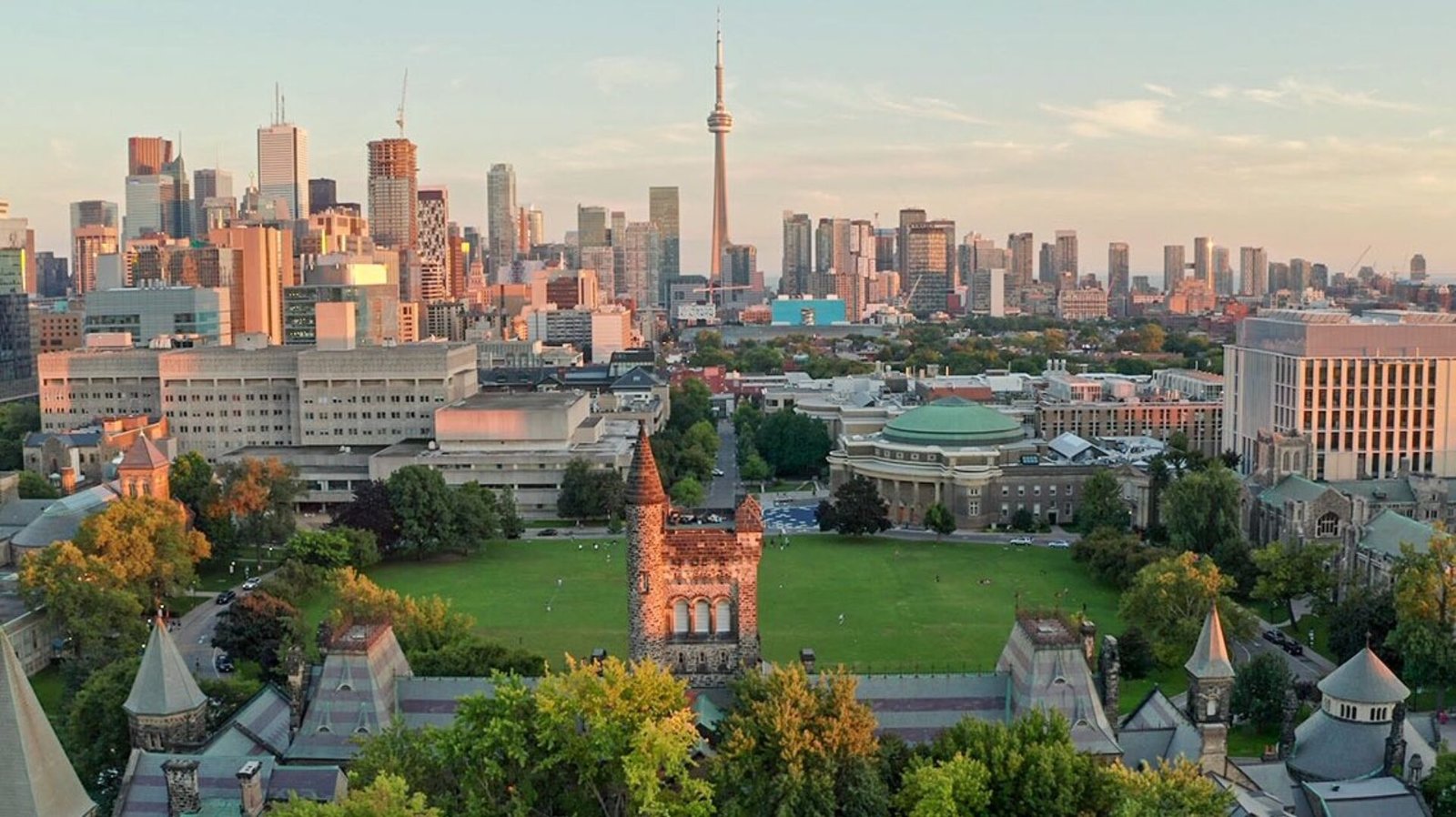

Minor Students in Saskatchewan

Minor Students in Saskatchewan: A Comprehensive Overview of Education, Legal Care, and Support
Introduction
Saskatchewan, known for its vast prairies, friendly communities, and growing economy, has become an attractive destination for families and international students seeking quality education in a safe and supportive environment. Minor students—those under 18 years of age—make up a vital part of the student population across the province. Whether they are Canadian-born residents, newcomers, or international students, Saskatchewan offers a variety of educational opportunities, legal frameworks, and support systems designed to ensure their academic success, personal growth, and well-being.
This comprehensive guide provides an in-depth look at the experiences, rights, and responsibilities of minor students in Saskatchewan, including education pathways, custodianship and guardianship requirements, housing arrangements, healthcare access, and the broader social and cultural support networks available.
Who Are Minor Students in Saskatchewan?
In Saskatchewan, the legal age of majority is 18. Thus, minor students are individuals under 18 years old attending primary or secondary education institutions. They can be broadly categorized into:
-
Local students: Born or residing in Saskatchewan with parents or legal guardians.
-
Newcomer minors: Children of immigrant families settling in Saskatchewan.
-
International minor students: Youths coming from abroad to study on a temporary basis, usually with a study permit.
-
Unaccompanied minors: Refugees or immigrants under 18 who arrive without parental supervision.
Each group has distinct needs and faces unique challenges, shaping the educational policies and community services within the province.
The Saskatchewan Education System for Minor Students
Structure of the Education System
The Saskatchewan education system is publicly funded and divided into several stages:
-
Elementary School: Kindergarten to Grade 8 (ages approximately 5 to 14)
-
High School: Grades 9 to 12 (ages approximately 14 to 18)
Education is compulsory from age 7 to 16, with students generally completing high school by 18. Many students continue to post-secondary institutions after graduation.
School Divisions and Types
Saskatchewan is served by numerous school divisions, including public, separate (Catholic), and francophone divisions, each operating schools across urban and rural areas. Some notable school divisions include:
-
Regina Public Schools
-
Saskatoon Public Schools
-
Greater Saskatoon Catholic Schools
-
Greater Victoria School Division
-
Conseil des écoles fransaskoises (French-language schools)
In addition to public schools, Saskatchewan has independent and private schools offering specialized curricula.
Curriculum and Graduation: Minor Students in Saskatchewan
The Saskatchewan curriculum emphasizes a balanced education in core subjects such as mathematics, science, social studies, and language arts, alongside physical education and the arts. High school students work toward a Saskatchewan High School Diploma, which requires successful completion of required credits and courses.
International Minor Students in Saskatchewan
Admission Requirements and Study Permits
International minor students planning to study in Saskatchewan must obtain a study permit issued by the Canadian government. A study permit application for minors includes:
-
Letter of acceptance from a designated school.
-
Proof of financial resources.
-
Medical exams.
-
Custodianship arrangements (for students under 18).

Custodianship Requirement
Canadian immigration law requires international students under 18 to have a custodian—an adult residing in Canada who is legally responsible for their care during their stay. The custodian must:
-
Be a Canadian citizen or permanent resident.
-
Be over 18 years old.
-
Reside in Saskatchewan or nearby the student's school.
-
Complete and notarize a Custodianship Declaration Form.
Language Support and Integration
Schools in Saskatchewan provide English as an Additional Language (EAL) programs to support non-native speakers. Many schools also offer newcomer orientation, cultural integration services, and tutoring to help international minors succeed academically and socially.
Legal Framework: Guardianship and Custodianship in Saskatchewan
Guardianship Defined
In Saskatchewan, guardianship is typically held by parents, but may be transferred or shared through legal agreements or court orders.
Custodianship for International Students: Minor Students in Saskatchewan
For international minors, custodianship is a specific legal arrangement necessary for immigration and school enrollment. The custodian’s responsibilities include:
-
Ensuring the minor's physical and emotional well-being.
-
Providing or arranging suitable housing.
-
Acting on behalf of parents in emergencies.
-
Supporting the student’s academic and social integration.
Custodianship Declaration Form
The form is a notarized document confirming the custodian’s role and responsibilities. It must be presented with the study permit application and maintained throughout the student’s stay.
Housing and Living Arrangements for Minor Students
Homestay Programs
Many international and newcomer minor students in Saskatchewan live with host families through homestay programs. These programs:
-
Provide a safe and supportive home environment.
-
Offer private rooms and meals.
-
Help students develop language and cultural skills.
-
Ensure supervision and guidance from caring families.
Homestay families are vetted through police checks and home visits, often coordinated by school divisions or private agencies.
Living with Relatives or Guardians
Some minors live with relatives or family friends who have legal custody or custodianship. This arrangement requires legal documentation and approval by schools or immigration authorities.
Boarding Schools and Residences: Minor Students in Saskatchewan
While less common in Saskatchewan compared to other provinces, some private schools offer boarding facilities with structured supervision for minor students.
Healthcare and Medical Services
Provincial Health Coverage
Most residents of Saskatchewan, including minor students, are covered under the Saskatchewan Health Card system, which provides access to:
-
Doctor and specialist visits.
-
Hospital care.
-
Emergency services.
-
Diagnostic testing.

International students with study permits over six months may also qualify for provincial health coverage.
Additional Insurance
Dental care, vision care, prescription drugs, and mental health services often require private insurance. Many schools or homestay programs recommend or provide supplemental insurance plans.
Mental Health and Counseling
Student well-being is a priority in Saskatchewan schools. Services include:
-
School counselors.
-
Mental health awareness programs.
-
Crisis intervention.
-
Access to community mental health professionals.
Newcomer and refugee students often receive specialized trauma-informed care and cultural support.
Academic and Social Support Services: Minor Students in Saskatchewan
Language and Learning Assistance
For minor students whose first language is not English, schools provide tailored language acquisition programs. These include:
-
English language classes.
-
Tutoring in core subjects.
-
Support for literacy and numeracy development.
Newcomer Orientation and Cultural Integration
Many school divisions offer orientation sessions to help students understand the Canadian education system and adapt to cultural norms.
Peer Mentorship and Extracurricular Activities
Engagement in clubs, sports, and arts is encouraged to foster social connections and holistic development.
Transportation and Safety
School Transportation
School buses provide transportation for many students, especially in rural and suburban areas. Bus safety and schedules are managed by school divisions.
Public Transit
In urban centers like Regina and Saskatoon, public transit options are available for older students.
Safety Measures
Schools have strict safety policies, including secure premises, emergency protocols, and anti-bullying programs.
Legal Protections and Student Rights: Minor Students in Saskatchewan
Child Protection Services
Saskatchewan’s Child Protection Services work to safeguard minors from abuse or neglect. Schools and community members are mandated reporters and can intervene when a student’s welfare is at risk.
Anti-Discrimination and Accessibility
Students have the right to learn in an environment free from discrimination based on race, gender, religion, or disability. Accessibility accommodations are provided for students with special needs.
Attendance and Discipline
Attendance is compulsory for minors. Schools have clear policies for discipline, aiming to balance accountability with restorative practices.
Parental and Custodian Involvement
Communication with Schools
Parents and custodians are encouraged to stay involved in their children’s education through:
-
Parent-teacher meetings.
-
Regular updates on academic progress.
-
Participation in school events and councils.
Supporting Student Success
Parental and custodian support is vital in helping minors adjust academically and socially, especially newcomers adapting to a new culture.
Challenges Faced by Minor Students in Saskatchewan
Language Barriers
Students new to English may struggle initially but benefit from dedicated language supports.
Cultural Adjustment
Adapting to new social norms, educational expectations, and weather conditions can be difficult.
Homesickness and Mental Health: Minor Students in Saskatchewan
Distance from family and friends sometimes causes emotional distress. Schools and communities provide support networks.
Legal and Custodianship Complexities
Understanding Canadian legal requirements can be challenging for families. Guidance from schools and immigration advisors is essential.
Opportunities and Pathways Beyond Secondary School
Post-Secondary Education
Saskatchewan offers diverse pathways for graduates, including universities, technical institutes, and apprenticeship programs.
Work and Career Opportunities
Students aged 16 and older may work part-time with proper authorization, gaining valuable skills and income.
Community Engagement
Youth are encouraged to participate in volunteer work and leadership programs, building life skills and community connections.
Conclusion
Minor students in Saskatchewan benefit from a comprehensive education system supported by strong legal frameworks and community services designed to promote their success and well-being. Whether local, newcomer, or international students, minors receive specialized support through language programs, health services, custodianship arrangements, and inclusive school environments.
By understanding the educational structure, legal requirements, and available supports, families can confidently navigate the journey of raising or hosting minor students in Saskatchewan. With its welcoming communities and quality schools, Saskatchewan provides a stable and enriching environment where minor students can thrive academically, socially, and personally.
In case, if you need help with Minor Students in Saskatchewan: Homestay, Custodianship, Study Visa and admission to School, please fill in application below or contact us directly.