
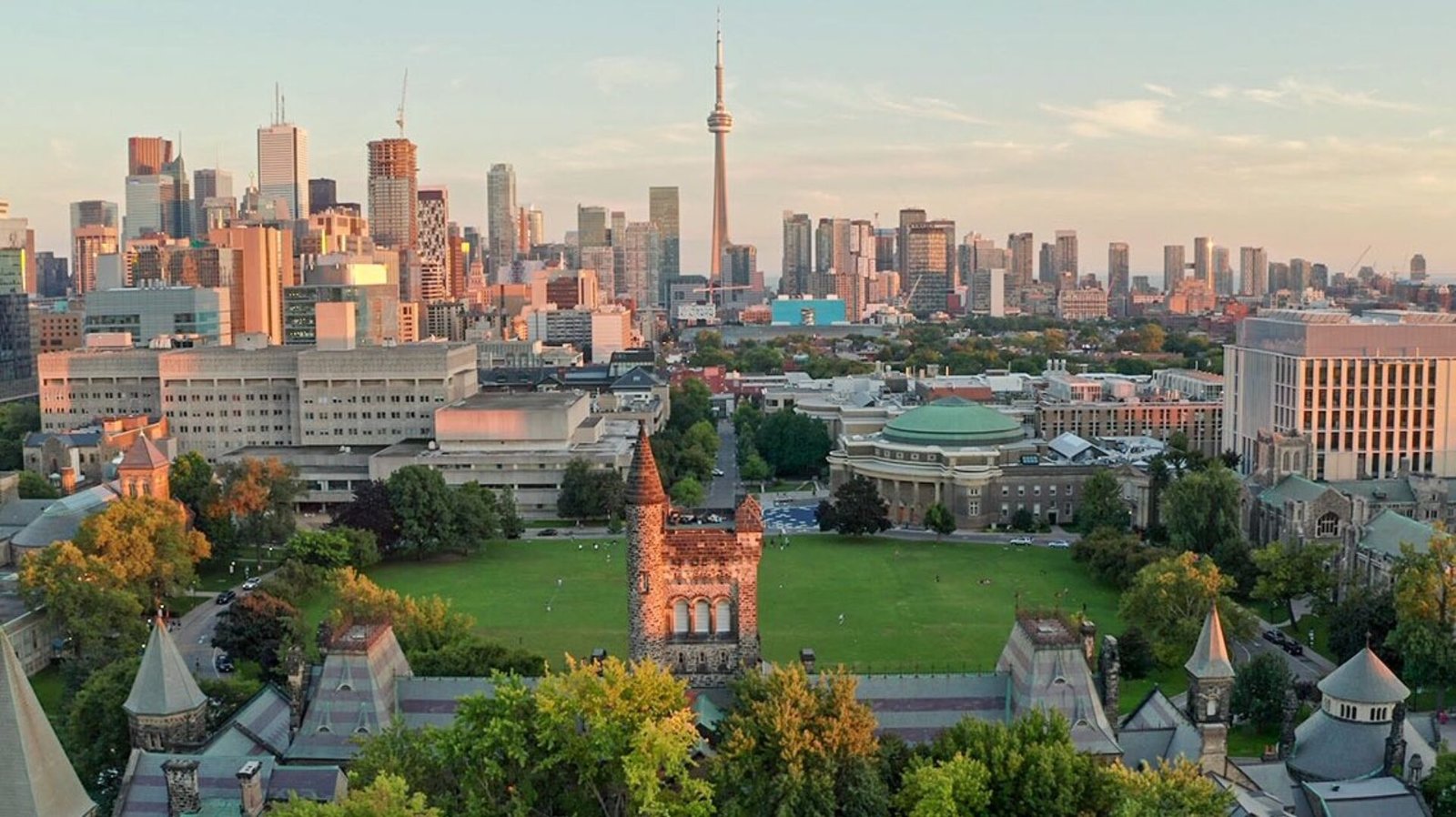

Minor Students in Toronto

Minor Students in Toronto: Education, Life, and Support Systems
Introduction
Toronto, the largest city in Canada and a global hub for culture, education, and diversity, is home to tens of thousands of minor students. These are individuals under the age of 18 (or 19 in Ontario, the age of majority), who are pursuing their education in the city’s many public, private, and international schools. Toronto offers a welcoming, vibrant, and high-quality learning environment that draws families from across Canada and around the world.
For parents, educators, and students alike, understanding the educational system, legal responsibilities, and life experiences of minor students in Toronto is essential. Whether a student is a Canadian citizen, a newcomer, or an international learner, the city provides numerous opportunities and robust support to ensure they thrive both academically and personally.
Who Are Minor Students?
In Ontario, a minor is legally defined as anyone under the age of 18. A minor student is a child or teenager enrolled in an elementary or secondary educational institution who has not yet reached the age of majority. These students may be:
-
Canadian-born citizens
-
Permanent residents or refugees
-
Children of temporary residents (e.g., work or study permit holders)
-
International students on study permits
Each group has specific needs, entitlements, and responsibilities while navigating education in Toronto.
Education System for Minor Students in Toronto
Overview
Education in Ontario, including Toronto, is publicly funded and governed at the provincial level. The city is served primarily by two large public school boards:
-
Toronto District School Board (TDSB) – Offers English-language, secular education.
-
Toronto Catholic District School Board (TCDSB) – Offers English-language Catholic education.
There are also French-language public and Catholic boards, private schools, and independent international schools operating across the city.
School Levels: Minor Students in Toronto
-
Kindergarten: Junior (age 4) and Senior (age 5) – optional but widely attended.
-
Elementary School: Grades 1 to 8
-
Secondary School (High School): Grades 9 to 12
Education is mandatory from ages 6 to 18 in Ontario.
Enrollment for Canadian Minor Students
Minor students who are Canadian citizens or permanent residents are entitled to free education in public schools. Parents or guardians must provide:
-
Proof of age (birth certificate or passport)
-
Proof of residency in Toronto
-
Immunization records
-
Previous school transcripts (if transferring)
Toronto schools offer diverse programming, such as:
-
French Immersion and Extended French
-
English as a Second Language (ESL)
-
Gifted programs
-
Special Education
-
Indigenous education
-
International Baccalaureate (IB) and Advanced Placement (AP) courses

International Minor Students in Toronto
Why Study in Toronto?
Toronto attracts thousands of international students each year because of its:
-
High academic standards
-
Safe and inclusive urban environment
-
Global reputation
-
Multicultural communities
-
Support for English language learners
Admission Process
To study in Toronto, international minor students must:
-
Apply to a Designated Learning Institution (DLI) such as a public school board or private school.
-
Receive a Letter of Acceptance.
-
Apply for a study permit from Immigration, Refugees and Citizenship Canada (IRCC).
-
Provide custodianship documents if under the age of 18.
Custodianship Requirements: Minor Students in Toronto
Since minor students under 18 cannot make legal decisions independently, they must have a custodian in Toronto.
What Is a Custodian?
A custodian is a Canadian citizen or permanent resident over the age of 18 who is responsible for the student’s care, safety, and decision-making in the absence of a parent.
Legal Documents
The Custodianship Declaration (IMM 5646) must be signed by:
-
The parent/legal guardian in the home country (and notarized)
-
The custodian in Canada (and notarized)
Custodianship is a legal obligation and essential for the child’s study permit and school registration.
Living Arrangements for Minor Students
Minor students in Toronto must live in a stable and supervised home environment. Options include:
1. With a Parent or Relative
If a parent accompanies the child to Canada, they may apply for a visitor visa or a work/study permit. This is ideal for younger students.
2. Homestay Programs
A popular choice for international students, homestays allow minors to live with a screened and approved Canadian family, providing:
-
A safe and nurturing environment
-
Meals, accommodation, and supervision
-
Opportunities to practice English and integrate into Canadian culture
3. Boarding Schools
Some private schools in Toronto offer on-campus housing with 24/7 supervision. This is typically suitable for students aged 14 and older.
4. Custodian-Arranged Accommodation
Older minors may live independently or with a host family arranged by a custodian. This must meet school board standards and safety requirements.
Legal Rights and Protections for Minor Students
Toronto upholds the rights of children in all educational and residential contexts.
Right to Education
All children residing in Toronto, regardless of immigration status, have the right to attend public school. School boards do not report undocumented families to immigration authorities.
Anti-Bullying Policies
Schools in Toronto follow strict anti-bullying frameworks to ensure every child feels safe and respected. Programs address:
-
Physical and verbal harassment
-
Cyberbullying
-
Discrimination based on race, religion, gender, or orientation
Child Welfare and Protection: Minor Students in Toronto
Educators and school staff are mandatory reporters under Ontario law. If they suspect abuse, neglect, or unsafe conditions, they must notify Children’s Aid Society.
Language Support and Integration
Toronto is one of the most linguistically diverse cities in the world. As a result, schools offer robust support for English Language Learners (ELL), including:
-
ESL and ELD (English Literacy Development) classes
-
Settlement workers in schools
-
Translators and multicultural liaisons
-
Peer mentorship programs
For French-speaking students, the city also offers French-language schools and French Immersion programs within the English boards.

Academic Life and Extracurricular Activities
Curriculum
Ontario’s curriculum is designed to foster critical thinking, collaboration, and real-world skills. It includes:
-
Language (English or French)
-
Mathematics
-
Science and Technology
-
Social Studies, History, and Geography
-
The Arts
-
Health and Physical Education
-
Indigenous Education and Civics (high school)
Evaluation: Minor Students in Toronto
Student performance is evaluated through:
-
Class participation
-
Projects and presentations
-
Quizzes and exams
-
Standardized testing (e.g., EQAO in Grade 3, 6, and 10)
Extracurricular Activities
Toronto schools encourage holistic development through:
-
Sports teams
-
Music, drama, and visual arts
-
Robotics and coding clubs
-
Student government and debate teams
-
Volunteering and community service
These programs help students build confidence, leadership skills, and friendships.
Mental Health and Well-Being
Mental health is a growing priority in Toronto schools. Supports include:
-
On-site guidance counselors and psychologists
-
Social workers
-
Anti-stress and mindfulness programs
-
Peer support networks
-
Access to external mental health services
Many schools have well-being teams that promote emotional and social resilience among students.
Challenges Faced by Minor Students
1. Language Barriers
Non-native English or French speakers may struggle with classroom learning and social integration initially. ESL programs help bridge the gap, but adjustment can take time.
2. Cultural Adaptation
International students may experience:
-
Culture shock
-
Loneliness
-
Differences in teaching styles and expectations
Toronto’s multicultural society helps ease this transition, and many schools celebrate cultural holidays and diversity events.
3. Academic Pressure: Minor Students in Toronto
Canadian schools can be demanding. Students may need:
-
Private tutoring
-
Academic counseling
-
Parental support and encouragement
4. Financial Burden
International students pay tuition (CAD 14,000–20,000/year), plus homestay, health insurance, and other living costs. Scholarships at the secondary level are limited.
Parental Involvement
Even when parents live abroad, staying involved in a child’s education is critical. Toronto schools encourage this through:
-
Digital learning platforms
-
Virtual parent-teacher interviews
-
Regular report cards
-
Email communication
-
Multilingual notices
Parents can stay connected to their child’s academic and emotional development even from a distance.
Post-Secondary Opportunities
Graduating from a Toronto high school opens doors to colleges and universities in:
-
Canada (domestic applicant status in many cases)
-
The United States
-
The United Kingdom
-
Australia and more
Students may also be eligible for scholarships, early admission, and post-graduation work permits if they stay in Canada for higher education.
Pathways to Immigration: Minor Students in Toronto
While studying in Toronto does not directly lead to permanent residency, it can be the first step in a longer immigration strategy:
-
Parents may explore provincial nominee programs or work permits.
-
Students who stay for post-secondary education may apply for post-graduate work permits.
-
Experience gained in Canada can later contribute to Express Entry points.
Some families choose to settle permanently in Toronto, leading to reunification and long-term residency.
COVID-19 and Remote Learning
During the pandemic, Toronto schools adapted to online and hybrid learning models. Although schools have reopened, many retain digital resources such as:
-
Virtual classrooms
-
Online assignment submission
-
Digital textbooks and learning platforms
This flexibility has created new options for remote support, even for families abroad.
Conclusion
Toronto offers an exceptional environment for minor students, combining academic excellence with multicultural acceptance and strong legal protections. Whether your child is a local learner or an international student, they will benefit from the city’s safe neighborhoods, dedicated educators, and world-class institutions.
As a parent or guardian, sending your child to study in Toronto means investing in a future filled with possibilities. With proper planning—around schooling, custodianship, housing, and emotional well-being—your child will not only succeed academically but also grow as a confident, compassionate, and globally-minded individual.
In case, if you need help with Homestay, Custodianship, Admission to School and Visa in Toronto or other cities in Canada, please fill in application below or contact us directly.