
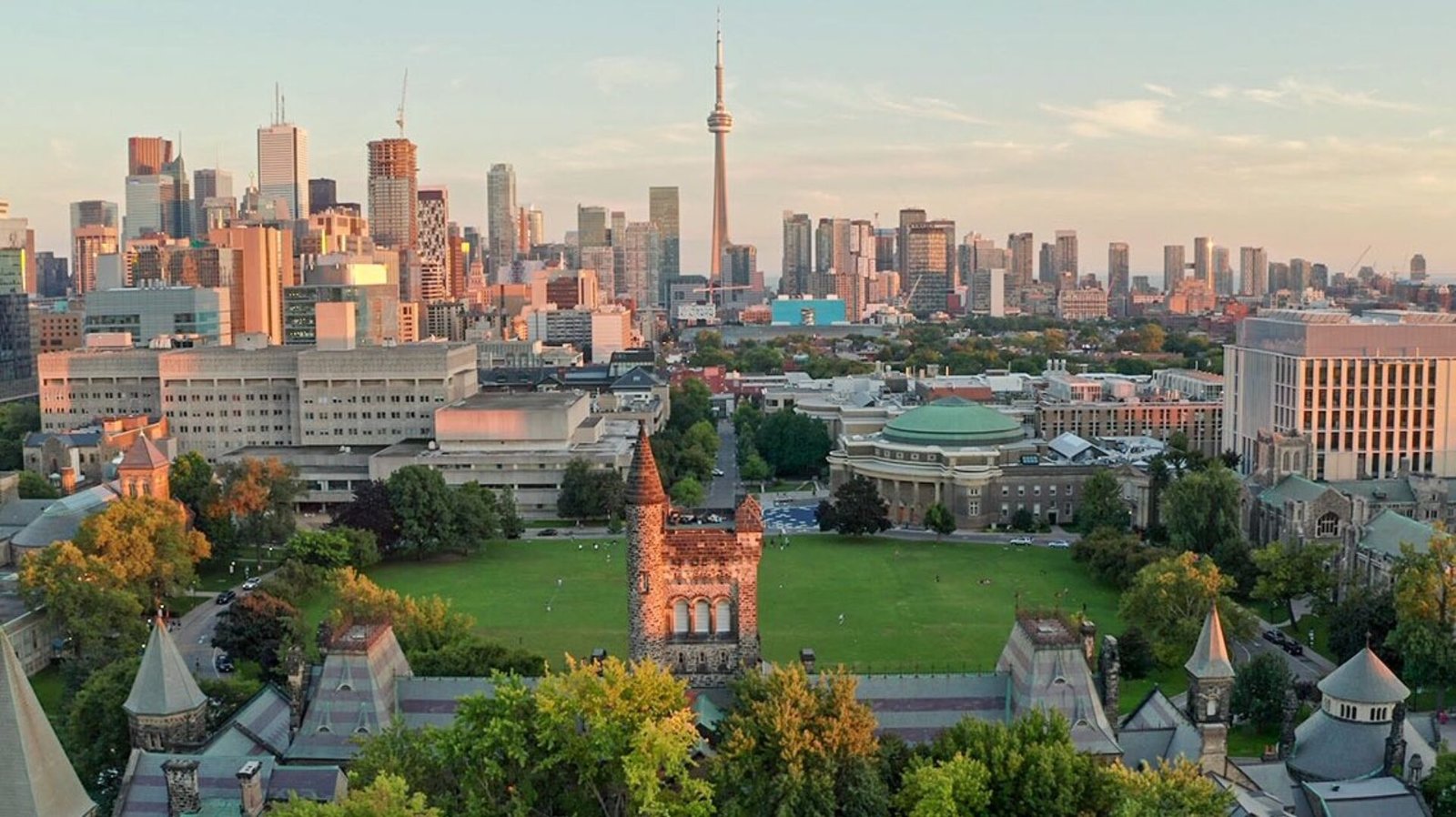

Minor Students in Winnipeg

Minor Students in Winnipeg: Education, Legal Care, and Opportunities
Introduction
Winnipeg, the capital of Manitoba, is known for its friendly communities, multicultural population, and affordable cost of living. As one of Canada’s growing urban centers, Winnipeg offers a robust public education system and strong support services for minor students—children and youth under the age of 18 who are pursuing their education in the city.
Whether they are Canadian citizens, permanent residents, international students, or refugee minors, Winnipeg provides a safe and supportive environment where young learners can grow academically and personally. This comprehensive article explores how Winnipeg addresses the needs of minor students, from education and housing to legal guardianship and student well-being.
Who Are Minor Students?
In Manitoba, and in most Canadian provinces, a minor is legally defined as an individual under the age of 18. Minor students in Winnipeg typically fall into one of the following categories:
-
Canadian-born or local minors attending schools while living with their parents or guardians.
-
International students under 18 attending schools through study permits, often living with custodians or homestay families.
-
Minors accompanied by relatives (but not legal guardians).
-
Unaccompanied refugee minors placed under government or agency care.
Because minors are not considered legal adults, special laws and protections apply to ensure their safety, access to education, and proper care.
Education System for Minors in Winnipeg
Manitoba Curriculum Overview: Minor Students in Winnipeg
Manitoba’s education system is overseen by the provincial Department of Education and Early Childhood Learning. Education is mandatory from age 7 to 18 and is divided into the following levels:
-
Elementary (Kindergarten to Grade 6)
-
Middle School (Grades 7–8 or 7–9)
-
High School (Grades 9–12)
Most high school students, including minors, aim to earn the Manitoba High School Diploma, which is a prerequisite for post-secondary education in Canada.
Public School Divisions in Winnipeg
Winnipeg is home to several public school divisions, including:
-
Winnipeg School Division
-
St. James-Assiniboia School Division
-
Pembina Trails School Division
-
Louis Riel School Division
-
Seven Oaks School Division
These divisions are publicly funded and open to all eligible residents, with tuition fees for international students. Schools are often zoned based on where a student lives.
Catholic and Independent Schools
Winnipeg also has Catholic schools, private religious institutions, and independent schools offering specialized education such as Montessori, French immersion, and International Baccalaureate (IB).
These schools may charge tuition, and admission is often selective.
International Minor Students in Winnipeg
Winnipeg has become a popular destination for international students, including those under the age of 18. Many choose the city for its high-quality education, safety, and affordability.
Admission Requirements: Minor Students in Winnipeg
International minor students must meet several conditions to study in Winnipeg:
-
Letter of acceptance from a designated school
-
Valid passport and study permit
-
Notarized custodianship declaration
-
Proof of financial support
-
Medical insurance coverage
School Programs for International Students
Public school divisions often offer:
-
English as an Additional Language (EAL) programs
-
International student orientation
-
Settlement support and cultural integration
-
Language assessments and tutoring
-
Homestay arrangements

Legal Guardianship and Custodianship
Custodianship Requirement
Canadian law requires that all international minor students have a custodian in Canada. A custodian is a responsible adult—typically a Canadian citizen or permanent resident—who is authorized to act in place of a parent.
This person must:
-
Be over 18 years of age
-
Reside near the student’s school
-
Be able to make emergency and daily care decisions
The custodianship must be documented using a notarized Custodianship Declaration Form, which is submitted to Canadian immigration authorities.
Responsibilities of a Custodian
Custodians are responsible for: Minor Students in Winnipeg
-
Ensuring the minor’s safety and well-being
-
Communicating with the school and parents
-
Attending meetings and responding to school concerns
-
Helping with legal, medical, and immigration matters
-
Providing guidance on academic and personal issues
Failure to meet custodianship requirements can result in visa denial or school ineligibility.
Living Arrangements for Minor Students
1. Homestay Programs
Homestays are a common choice for international minor students. These are supervised accommodations where a student lives with a Canadian family. Homestay programs offer:
-
A private bedroom
-
Three meals per day
-
Internet and utilities
-
Supervision and emotional support
-
Cultural and language immersion
Homestay families are carefully screened and monitored by school divisions or private agencies.
2. Living With Relatives
Some minors live with relatives or family friends in Winnipeg. In such cases, the adult must still be approved as a custodian and meet all the legal requirements.
3. Boarding and Private Residences
Private boarding houses and residential schools are also available, though less common. Students under 18 are not allowed to live alone without adult supervision.
Health and Medical Care: Minor Students in Winnipeg
Provincial Healthcare (Manitoba Health)
All residents of Manitoba, including international students with a valid study permit for over 6 months, are eligible for Manitoba Health. This plan covers:
-
Doctor visits
-
Emergency care
-
Hospitalization
-
Diagnostic tests
However, it does not cover dental care, eye exams, prescription medications, or psychological counseling. These services require private insurance or out-of-pocket payments.
Mental Health and Emotional Support
Students in Winnipeg can access:
-
School counselors
-
Mental health clinicians
-
Peer support groups
-
Youth community services
-
Crisis hotlines
Cultural sensitivity training and translation services are often available for students and families from diverse backgrounds.
Student Life and Extracurricular Opportunities
School life in Winnipeg is about more than academics. Students are encouraged to participate in extracurricular activities such as:
-
Sports: soccer, basketball, volleyball, track
-
Music: band, choir, and orchestra
-
Arts: drama, visual arts, dance
-
Clubs: debate, coding, environmental action, and chess
-
Leadership: student council, volunteerism, peer tutoring
These activities help minors develop social skills, build friendships, and strengthen their college applications.
Transportation: Minor Students in Winnipeg
Public transportation in Winnipeg is managed by Winnipeg Transit, offering bus routes throughout the city. Students may use youth passes for discounted fares. Schools also provide school buses for younger students or those living in designated areas.
Cycling and walking are common for students living nearby, and the city has safe crossing zones near most schools.
Graduation Requirements
To graduate with a Manitoba High School Diploma, students must:
-
Earn at least 30 credits
-
Complete courses in English, Math, Science, Social Studies, and Physical Education
-
Complete career and life planning (Grade 9–12)
-
Take required electives and optional specialty courses
Students in Grades 11 and 12 may take Advanced Placement (AP) or dual-credit college courses if available.

Pathways After Graduation
Graduates can pursue:
-
University degrees at institutions in Manitoba or other provinces
-
College diplomas in technical, trade, or vocational fields
-
Apprenticeships and co-op programs
-
Employment under post-graduation work permit conditions
Winnipeg is home to several post-secondary institutions, and high school counselors guide students in applying for scholarships and programs.
Support for Refugee and Newcomer Minors
Winnipeg is recognized for its inclusive community and newcomer support. Programs for refugee minors and new immigrants include:
-
Settlement workers in schools
-
Welcome and orientation centers
-
Trauma-informed counseling
-
Cultural liaisons for Arabic, Somali, Ukrainian, and other communities
-
English language bridging programs
These supports ensure that vulnerable students are not left behind.
Legal Protections for Minors
In Manitoba, child protection laws are enforced by Child and Family Services (CFS). Minors are protected under:
-
The Child and Family Services Act
-
The Education Administration Act
-
Human rights and anti-discrimination laws
Students can report abuse, neglect, or mistreatment through school staff or directly to CFS. All schools have anti-bullying and harassment policies.
Volunteering and Work for Older Minors: Minor Students in Winnipeg
Minors aged 16 and above may work part-time in Manitoba, with restrictions on hours and job types. International students must have a study permit with work authorization to take employment.
Volunteer opportunities are widely available and often required as part of graduation (especially in high school credits for community involvement).
Common Challenges for Minor Students
Minor students, particularly newcomers or international students, may face:
-
Language difficulties
-
Academic adjustment
-
Homesickness and isolation
-
Cultural differences
-
Legal and immigration complexities
However, schools and communities in Winnipeg offer targeted solutions through tutoring, mentorship, peer support, and family outreach.
Parental and Custodian Involvement
Parents and custodians play a vital role in supporting minors’ success. They are encouraged to:
-
Attend parent-teacher meetings
-
Monitor academic progress
-
Communicate regularly with schools
-
Ensure attendance and well-being
-
Support social and emotional development
Schools often provide translators and cultural facilitators for non-English-speaking parents.
Financial Considerations: Minor Students in Winnipeg
For local students, public education is free, but families should budget for:
-
School supplies and uniforms (if required)
-
Bus passes
-
Sports or club fees
-
Technology (laptops, calculators)
For international students, additional costs include:
-
Tuition (varies by school division)
-
Homestay or boarding fees
-
Custodianship fees
-
Insurance
-
Immigration processing costs
Some school divisions and community groups offer scholarships and financial aid.
Conclusion
Winnipeg stands out as a welcoming and accessible city for minor students from all backgrounds. With its quality education system, legal protections, cultural diversity, and affordable cost of living, it’s a destination where young learners can thrive.
From primary school to high school graduation, minors in Winnipeg benefit from comprehensive support—academically, emotionally, and socially. Whether they are local students or newcomers from around the world, Winnipeg helps youth prepare for a successful future in Canada and beyond.
In case, if you need help with Minor Students in Winnipeg: Homestay, Custodianship, Admission to School and Study Visa, please fill in application below or contact us directly.