
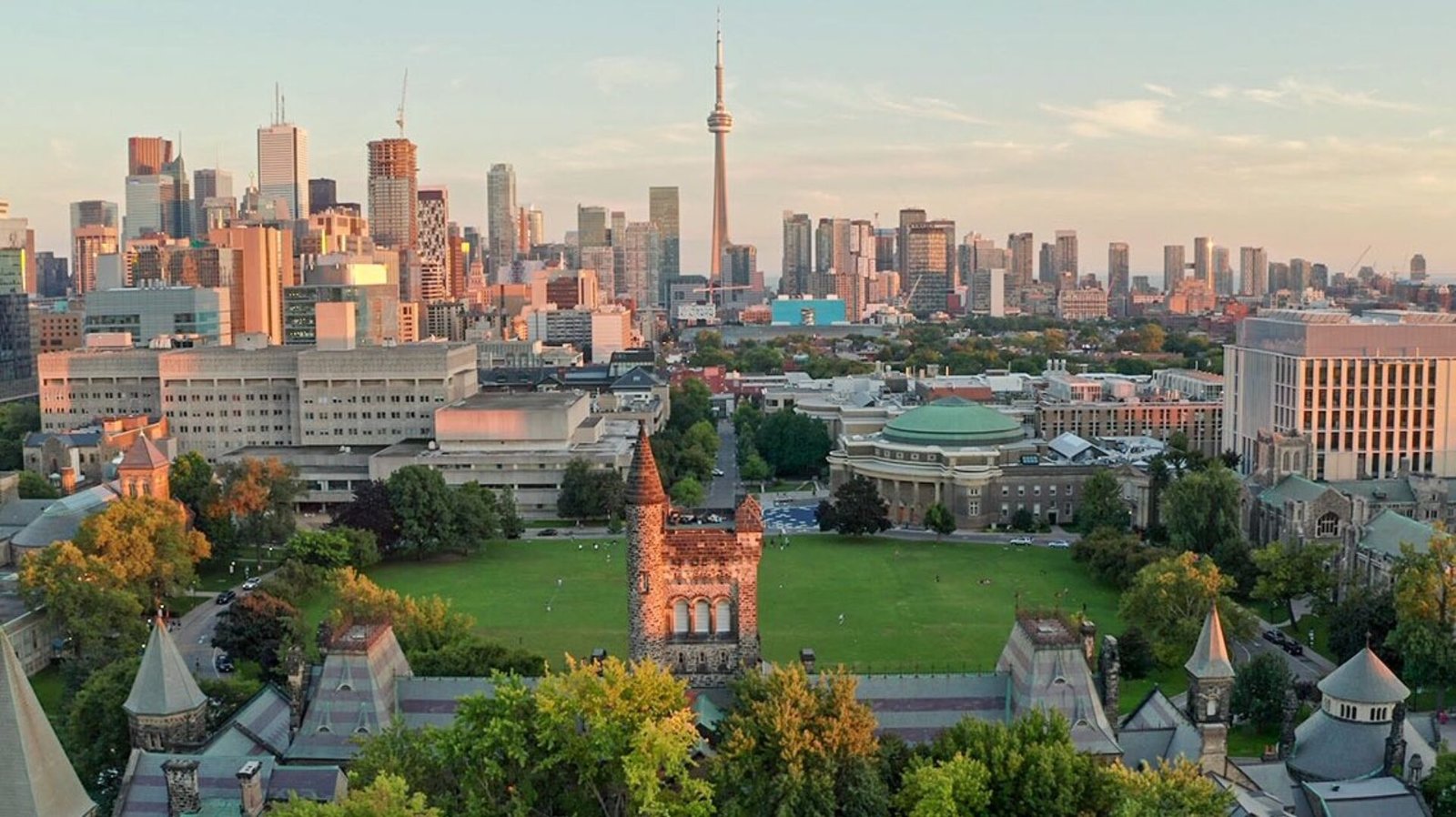

Study Visa for Minor Students in Toronto

Study Visa for Minor Students in Toronto
Canada is one of the most popular destinations for international students, not only at the college and university level but also for children in elementary and secondary schools. Every year, thousands of families choose to send their children to Canada to pursue a high-quality education in a safe, diverse, and welcoming environment. When it comes to enrolling minor students—children who are under the age of 18 or 19 depending on the province—a study visa (study permit) becomes essential. Understanding the process, eligibility requirements, parental responsibilities, custodianship rules, and the benefits of Canadian education is critical for families considering this path.
This article provides a comprehensive overview of the study visa for minor students in Canada, highlighting key considerations, challenges, and opportunities that parents and guardians should be aware of.
1. Who Is Considered a Minor in Canada?
In Canada, the definition of a “minor child” varies slightly by province and territory:
-
In most provinces and territories, a minor is anyone under 18 years old.
-
In British Columbia, New Brunswick, Nova Scotia, Newfoundland and Labrador, Northwest Territories, Nunavut, and Yukon, the age of majority is 19 years old.
Any student below the age of majority in their province of residence is considered a minor. This distinction is important because it directly impacts custodianship requirements, housing options, and school enrollment procedures.
2. Do Minor Children Need a Study Visa?
Minor children usually require a study permit if they are not Canadian citizens or permanent residents and wish to study in Canada for longer than six months. However, there are certain exceptions:
-
Children attending pre-school, kindergarten, or primary school for less than six months do not require a study permit.
-
Children whose parents are in Canada temporarily as visitors, workers, or students may sometimes study without a permit, though applying for one is highly recommended to avoid complications.
In practice, most international students, even at the elementary and high school levels, will need a valid study permit to enroll in a Canadian school.
3. Benefits of Studying in Canada as a Minor: Study Visa for Minor Students in Toronto
There are many reasons why parents around the world choose to send their children to study in Canada:
1. High-Quality Education
Canada consistently ranks among the top countries for education. Its schools emphasize critical thinking, creativity, inclusivity, and academic excellence.
2. Safe and Welcoming Environment
Canada is known for being safe and multicultural. Minor students can experience diverse cultures and make friends from around the world.
3. Pathway to Higher Education: Study Visa for Minor Students in Toronto
Studying in Canada as a minor gives students a head start if they later want to pursue higher education in Canada. It allows them to adapt to Canadian culture, improve their English or French, and become familiar with the school system.
4. Language Development
Canada offers immersion in English and French, the country’s two official languages. This helps children develop strong language skills, which can benefit them academically and professionally.
5. Immigration Pathways: Study Visa for Minor Students in Toronto
For families considering permanent immigration, having children study in Canada can strengthen ties to the country and support future immigration applications.
4. Eligibility for a Study Visa for Minor Students in Toronto
To qualify for a study permit, minor students must meet several requirements:
-
Letter of Acceptance: The child must be accepted into a Designated Learning Institution (DLI) in Canada. This includes most public elementary and secondary schools.
-
Proof of Funds: Parents or guardians must demonstrate they can financially support the student’s tuition fees, living expenses, and return transportation.
-
Valid Passport/Travel Document: The student must hold a valid passport.
-
Custodianship Arrangements: If the child is not accompanied by a parent, proof of custodianship is required.
-
Medical Exam (if necessary): Depending on the child’s country of origin, a medical exam may be required.

5. Application Process for a Minor Study Visa: Study Visa for Minor Students in Toronto
Applying for a study visa for a minor involves several key steps:
Step 1: Choose a School
Parents must first choose a Canadian school for their child. Public schools, private schools, and international schools are all options.
Step 2: Obtain a Letter of Acceptance
The school will issue a Letter of Acceptance, which is required for the study permit application.
Step 3: Prepare Supporting Documents
Typical documents include:
-
The student’s passport
-
Passport-sized photographs
-
Letter of Acceptance
-
Proof of funds (bank statements, proof of income, etc.)
-
Custodianship Declaration (if applicable)
-
Birth certificate or proof of relationship to parents/guardians
Step 4: Submit the Application: Study Visa for Minor Students in Canada
Applications can be made online. Parents must pay the application fee and provide biometrics for the child if required.
Step 5: Wait for Processing
Processing times vary depending on the country of application.
Step 6: Travel and Entry into Canada
Once the study permit is approved, the student can travel to Canada. The permit is usually issued upon arrival at the port of entry.
6. Custodianship Requirements for Minor Students
One of the most important aspects of studying in Canada as a minor is custodianship.
-
If the student is under the age of majority and not accompanied by a parent, they must have a custodian in Canada.
-
A custodian is a responsible adult (Canadian citizen or permanent resident) who will care for the student and ensure their well-being.
-
A Custodianship Declaration Form must be signed and notarized by both the parent in the home country and the custodian in Canada.
Custodianship provides assurance to Canadian schools and immigration authorities that the student will be properly cared for while living in the country.
7. Financial Requirements
Parents must prove they have enough funds to cover the student’s expenses. This includes:
-
Tuition fees (varies by school and province)
-
Living expenses (housing, food, transportation, etc.)
-
Return airfare
On average, the required funds may include at least CAD 10,000–15,000 per year for living expenses, in addition to tuition fees.
8. Living Arrangements for Minor Students: Study Visa for Minor Students in Toronto
Minor students need safe and stable housing. Common options include:
-
Homestay Programs: Students live with a Canadian host family, gaining cultural immersion and daily support.
-
School Dormitories: Some private schools offer on-campus boarding.
-
Living with a Relative: Students may live with relatives in Canada, provided custodianship is arranged.
Each arrangement must meet the requirements of Canadian immigration and the chosen school.
9. Health Insurance
Health coverage for minor international students varies by province:
-
Some provinces provide public health coverage for international students.
-
In provinces where public coverage is not available, private health insurance must be purchased.
It is crucial for parents to ensure their child has adequate health coverage before arrival.
10. Challenges Faced by Minor International Students: Study Visa for Minor Students in Toronto
While studying in Canada offers many advantages, there are also challenges:
-
Homesickness: Younger students may struggle with being away from family.
-
Cultural Adjustment: Adapting to a new culture, food, and lifestyle can take time.
-
Language Barriers: Students may need time to improve their English or French.
-
Academic Expectations: Canadian schools may have different teaching methods than what students are used to.
With the right support systems, these challenges can be successfully managed.

11. Parental Involvement: Study Visa for Minor Students in Canada
Parents play a critical role in supporting their child’s journey. Even from abroad, parents can:
-
Stay in regular communication with their child and custodian.
-
Monitor academic progress.
-
Ensure financial responsibilities are met.
-
Visit Canada when possible to provide additional support.
12. Transition to Post-Secondary Studies: Study Visa for Minor Students in Canada
Many minor students continue their education in Canada after graduating from high school. A study permit can be extended, and students may go on to apply to colleges or universities.
This smooth transition is one of the key benefits of beginning education in Canada at an earlier age.
13. Why Families Choose Canada
Families around the world choose Canada for minor students because it provides:
-
A safe, structured environment
-
World-class education
-
Opportunities for future immigration pathways
-
Cultural diversity and inclusivity
-
High living standards
Conclusion
Applying for a study visa for minor students in Canada is a significant decision for families, involving careful planning, financial investment, and legal responsibilities. From obtaining a study permit to arranging custodianship and housing, every step is vital to ensuring the student’s success and well-being.
Canada offers not only high-quality education but also a supportive and multicultural environment where young learners can thrive. For parents who wish to give their children a global education experience and open the door to future opportunities, Canada remains one of the most attractive destinations.
In case, if you need help with Study Visa for Minor Students in Canada, please fill in application below or contact us directly.